
 English
  简体中文
简体中文  日本語
日本語  English
  简体中文
简体中文  日本語
日本語 Discover effective Muay Thai exercises for strength, cardio, and conditioning. Perfect for beginners and advanced workouts at home or gym.
May 22, 2025
Muay Thai Exercises: Workout Guide for Fighters & Beginners

Muay Thai is more than just a combat sport, it’s one of the most intense full-body workouts on the planet. Every punch, kick, knee, and elbow doesn’t just sharpen your fighting skills; it builds strength, boosts cardio endurance, and fires up your core.
In this guide, you’ll discover Muay Thai exercises for all levels, designed to improve your stamina, strength, and speed whether you train at a gym or at home.
Benefits of Muay Thai Workouts
Muay Thai isn’t just about fighting, it’s about transforming your body and mind. Here’s what makes it such a powerful fitness tool:
1. Cardio
Striking combinations, footwork, and fast-paced drills keep your heart rate up and torch calories. A single session can burn 600–1,000 calories, making Muay Thai an effective way to boost cardiovascular endurance and shed fat.
2. Strength
Every kick, knee, and clinch works your legs, core, and upper body. Unlike weightlifting, Muay Thai builds functional strength, power that translates into real-world movement and explosive performance.
3. Coordination & Agility
Training in Muay Thai sharpens your reflexes, balance, and body control. The precise techniques improve hand-eye coordination and quick footwork, which benefits athletes in all sports.
4. Mental Focus
Muay Thai demands discipline, sharp focus, and mental resilience. It helps relieve stress, build confidence, and cultivate a mindset that pushes through physical and mental barriers.
Warm-Up & Mobility Essentials for Muay Thai
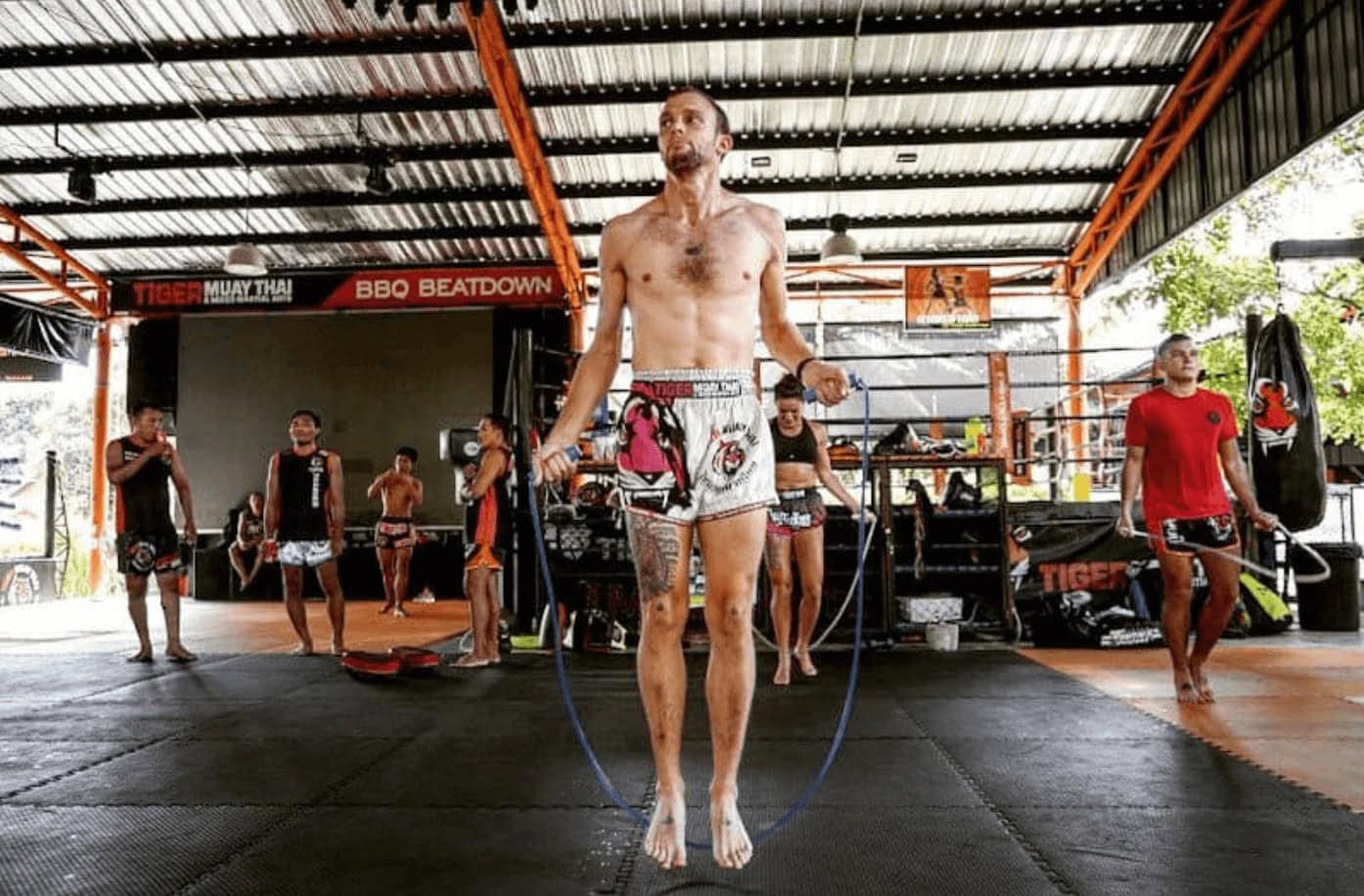
Muay Thai involves explosive movements, rapid direction changes, and full-body engagement. Without an adequate warm-up, you risk muscle strains, joint injuries, and decreased performance. A structured warm-up routine primes your muscles and joints, improves reaction time, and enhances overall training efficiency.
Quick Warm-Up Routine (5–7 Minutes)
Here’s a concise warm-up sequence to get you ready for your Muay Thai session:
1. Jump Rope (2–3 minutes)
Start with light skipping to elevate your heart rate and improve coordination. This exercise engages your shoulders, calves, and core, mimicking the rhythmic movements of Muay Thai.
2. Joint Rotations (1–2 minutes)
Perform circular motions with your neck, shoulders, elbows, wrists, hips, knees, and ankles. This increases joint mobility and prepares them for dynamic movements.
3. Dynamic Stretches (2 minutes)
- Leg Swings: Swing each leg forward and backward, then side to side, to loosen up the hip flexors and hamstrings.
- Hip Circles: Rotate your hips in both directions to enhance flexibility.
- Arm Circles: Extend your arms and make circular motions to warm up the shoulder joints.
4. Shadowboxing (1–2 minutes)
Engage in light shadowboxing, focusing on smooth and controlled movements. This not only warms up your muscles but also sharpens your technique and mental focus.
Core Muay Thai Exercises & Drills
Muay Thai training goes beyond just learning to strike, it develops total-body fitness, sharp technique, and mental discipline. Here are the essential exercises and drills every beginner and fighter should incorporate into their routine:
1. Shadow Boxing Muay Thai
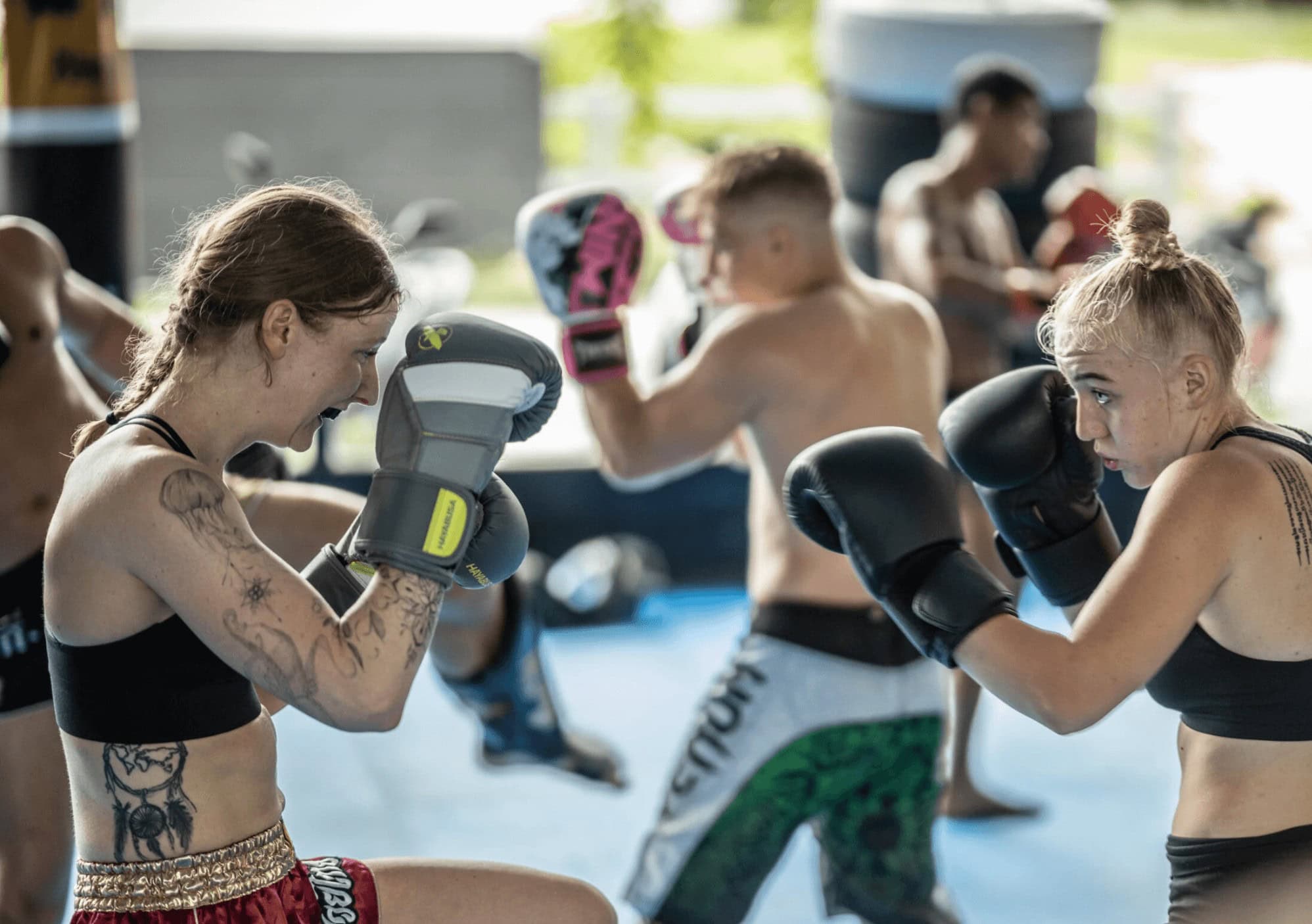
Shadowboxing is the foundation of Muay Thai practice. It involves throwing strikes and moving as if you’re fighting an imaginary opponent. This solo drill is essential for refining form, improving balance, and building muscle memory.
Focus on your technique, each jab, cross, kick, or elbow should be sharp and controlled. Use your imagination to visualize an opponent, react, and counter. Combine this with good footwork to develop rhythm and flow.
Beginner 3-Round Routine:
- Round 1: Focus on jabs, crosses, and basic footwork
- Round 2: Add roundhouse kicks and knees
- Round 3: Mix everything with head movement and pivots
Each round: 2–3 minutes with 1-minute rest in between
2. Heavy Bag & Pad Work
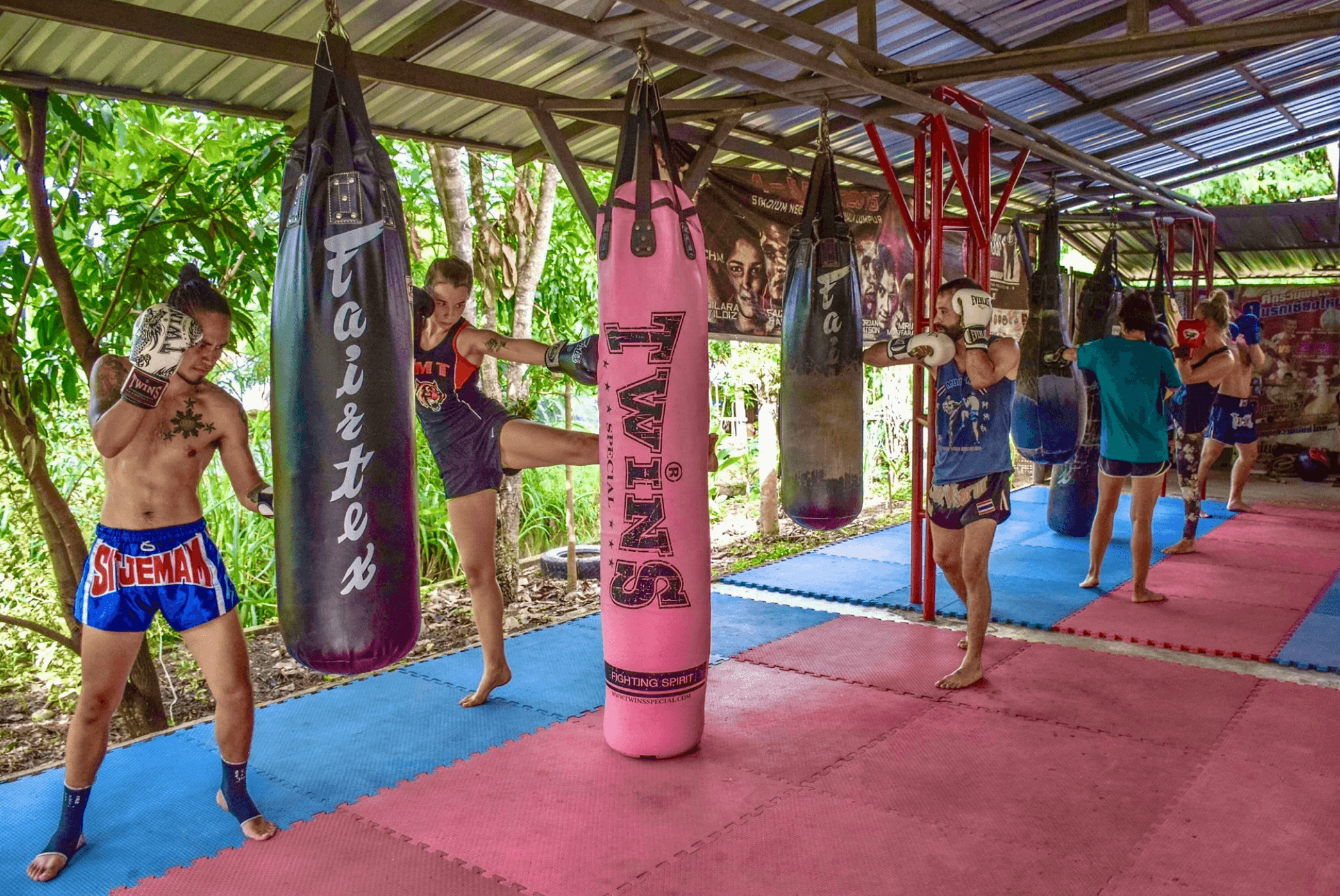
These tools help build striking power, improve endurance, and practice combinations at full force. Heavy bags absorb your strikes, while pad work with a partner sharpens timing and accuracy.
Start with basic combos like:
- Jab–Cross–Roundhouse Kick
- Teep–Jab–Elbow
- Clinch–Knee–Knee–Elbow
Work in 3-minute rounds, followed by 1-minute rest. Aim for 3–5 rounds depending on your level and focus on maintaining a consistent rhythm, throwing with intent, and recovering fast between strikes.
3. Strength Training for Muay Thai
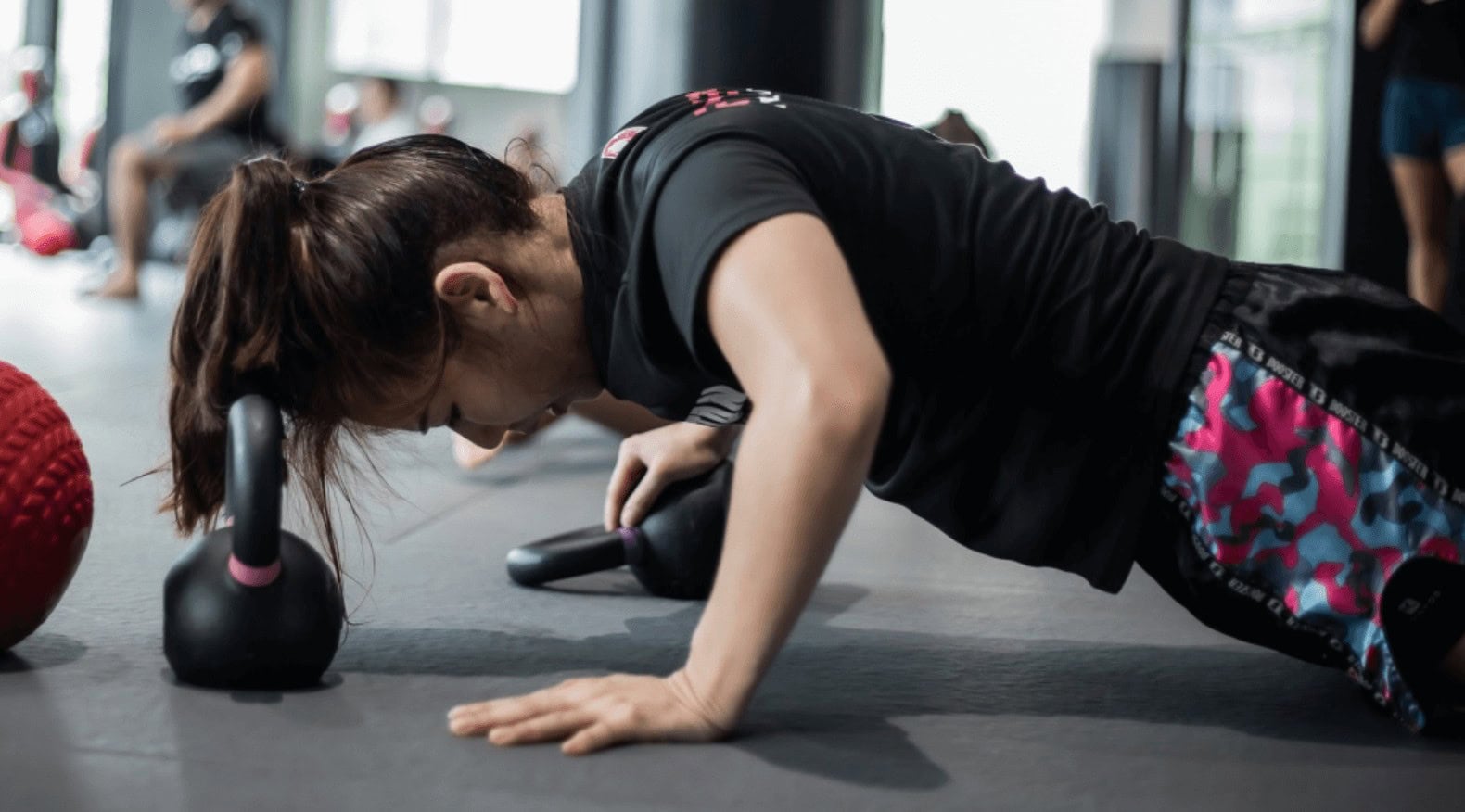
Fighters don’t just train to punch, they build power, endurance, and explosiveness. Bodyweight training is a staple in Muay Thai conditioning.
Foundational Exercises:
- Push-ups (chest, shoulders)
- Air squats (legs, balance)
- Planks (core stability)
Compound Movements for Power:
- Burpees (full-body cardio & strength)
- Jump squats (leg explosiveness)
- Walking lunges (balance & core engagement)
4. Circuit Training (HIIT Style)
High-Intensity Interval Training (HIIT) combines Muay Thai movements with strength and cardio drills to push your limits in short bursts.
Sample Circuit:
(Repeat for 4 rounds – 40 sec work / 20 sec rest)
- Jab–Cross–Sprawl
- Push-ups
- Roundhouse kicks (left & right alternating)
- Sit-ups with punch combo
This style of training builds fight-ready stamina, improves speed, and maximizes calorie burn in minimal time.
Flexibility & Recovery
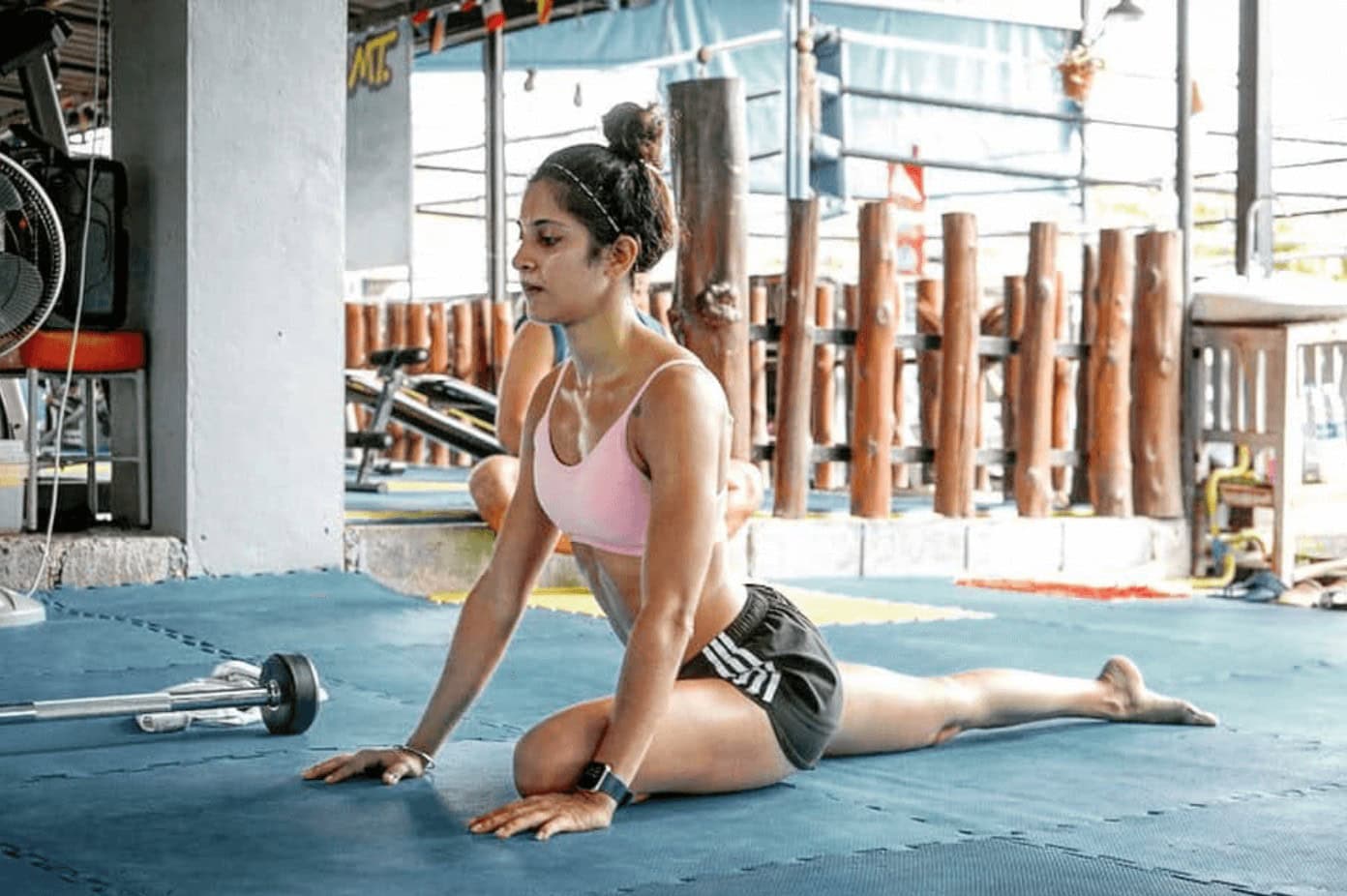
Training hard is only half the equation, staying injury-free and consistent is what leads to long-term progress in Muay Thai. Flexibility and recovery aren’t optional; they’re essential for sustainability and peak performance.
Muay Thai places heavy demands on the hips, hamstrings, and shoulders. Every kick, clinch, and punch relies on mobility, especially in the lower body and torso. Without proper recovery, tight muscles can limit your technique and increase injury risk.
Post-Workout Static Stretch Routine (5–10 Minutes)
After each session, slow down your heart rate and lengthen the muscles with focused static stretches:
- Hamstring Stretch: Loosens the back of the legs for better kicks and footwork.
- Hip Flexor Stretch: Crucial for mobility and reducing tightness from repeated kicking.
- Standing or Seated Forward Fold: Eases tension in the lower back.
- Cross-body Shoulder Stretch: Relieves shoulder tightness from punching.
- Neck Rolls & Side Neck Stretch: Helps release built-up tension from clinch work and impact.
Add Foam Rolling
Using a foam roller post-training improves circulation and releases deep muscle knots, especially useful on sore quads, glutes, and calves. Roll slowly and breathe through any tight areas.
Schedule Rest Days
Rest is where real growth happens. Take at least one full day off each week, and use active recovery (like walking, swimming, or yoga) on lighter days. This prevents burnout and allows your body to heal and adapt.

Sample Muay Thai Workout Routine (Beginner–Intermediate)
Whether you’re training at home or in the gym, this 30–45 minute session is designed to build stamina, sharpen technique, and boost overall fitness. You don’t need fancy equipment just commitment, space to move, and consistency.
1. Warm-Up (5–10 Minutes)
- Jump Rope or Jog in Place: 2–3 minutes
- Joint Rotations: Neck, shoulders, hips, knees, ankles
- Dynamic Stretches: Leg swings, arm circles, hip openers
Tip: Focus on smooth, controlled movement to wake up your joints and muscles.
2. Shadowboxing (3 Rounds x 2–3 Minutes)
- Round 1: Jab–cross–footwork
- Round 2: Add kicks and defensive moves (blocks, checks)
- Round 3: Mix in knees, elbows, and freestyle flow
Rest: 30–60 seconds between rounds
Tip: Visualize an opponent. Focus on technique, rhythm, and breathing.
3. Conditioning Circuit (20 Minutes)
Repeat the following circuit 3–4 times
Work: 40 seconds / Rest: 20 seconds
- Push-ups
- Squat jumps
- Roundhouse kicks (left side)
- Sit-ups with punches
- Roundhouse kicks (right side)
- Burpees
Tip: Beginners can reduce rounds or rest longer. Intermediate users should push the pace or add light dumbbells.
4. Core Finisher (5 Minutes)
- Plank – 1 minute
- Russian Twists – 30 seconds
- Leg Raises – 30 seconds
- Side Plank (each side) – 30 seconds
- Bicycle Crunches – 1 minute
Tip: Focus on form, not speed. Engage your core throughout.
5. Cool Down Stretch (5 Minutes)
Hold each stretch for 20–30 seconds:
- Hamstrings
- Hip flexors
- Quadriceps
- Shoulders
- Neck
- Lower back
Tip: Breathe deeply to release tension and aid recovery.
Scaling Tips
- Beginner: Use longer rests (30–45 sec), reduce rounds, focus on learning form.
- Intermediate: Increase work time (up to 50 sec), shorten rest (15 sec), or wear light ankle weights for added resistance.
Must-Have Gear for Muay Thai Training
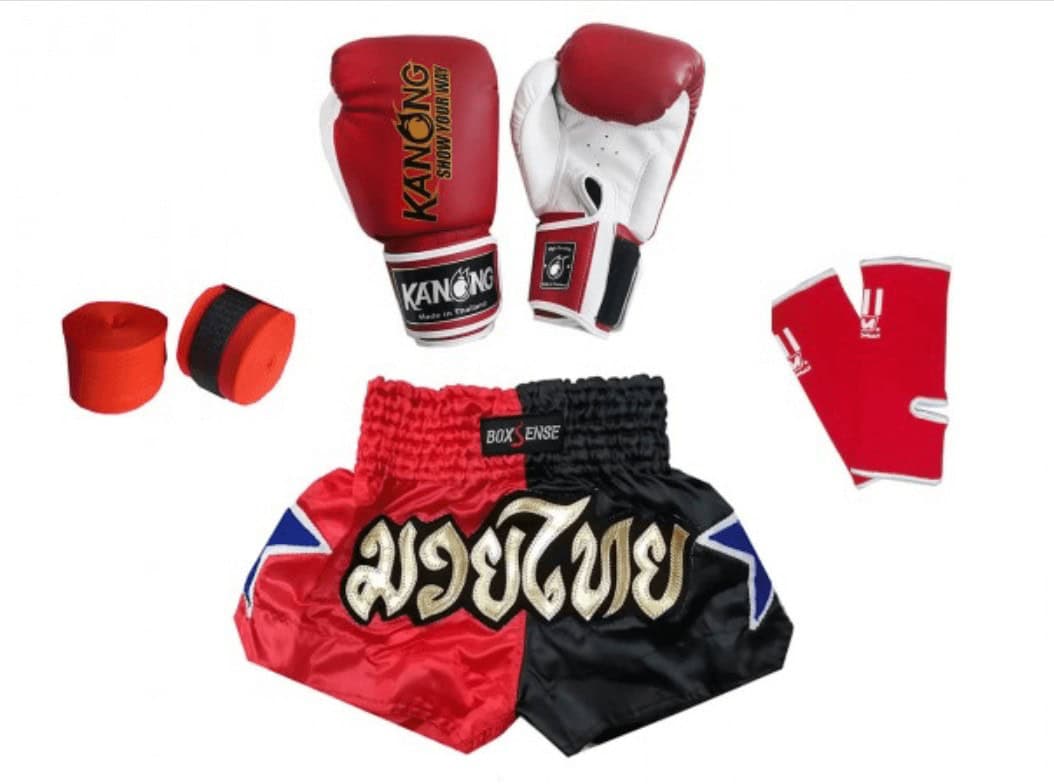
Before you dive into training, having the right gear makes a huge difference in performance, safety, and consistency, especially if you’re working out solo or at home. Here’s what you’ll need to get started:
- Gloves & Hand Wraps
Protect your hands, knuckles, and wrists during bag or pad work. Choose 12–16 oz gloves depending on your weight and training style. Always wrap your hands for added support and injury prevention. - Heavy Bag
A quality Muay Thai heavy bag (longer than standard boxing bags) lets you practice full striking combinations, including low kicks, knees, and clinch work. - Timer App
Interval training is a core part of Muay Thai. Use a round timer app to structure your shadowboxing, pad rounds, and conditioning circuits efficiently. - Jump Rope
This simple tool is essential for improving footwork, cardio endurance, and rhythm. It’s also a great warm-up or active recovery option.
Muay Thai at Home (No Equipment Version)
Muay Thai doesn’t require a gym or expensive equipment to be effective, your bodyweight is all you need to get in an intense, full-body workout. Whether you’re tight on space or training at home, you can still develop your striking, strength, and endurance.
Here’s a bodyweight-focused workout plan to get you moving:
1. Shadowboxing (3–4 Rounds, 3 Minutes Each)
- Focus on form, technique, and fluid movement.
- Incorporate punches, elbows, knees, kicks, and footwork.
- Visualize an opponent to stay engaged.
Rest: 30-60 seconds between rounds
2. Push-up Variations (3 Sets x 10–15 Reps)
- Standard Push-ups: Build upper body strength for striking power.
- Triceps Push-ups: Hands close together for stronger elbows.
- Wide Push-ups: Focus on chest and shoulder engagement.
3. Bodyweight Squats + Knee Strikes (3 Sets x 15–20 Reps)
- Perform squats to strengthen your legs, hips, and core.
- After each squat, follow up with a knee strike (left & right) to engage your core and improve hip flexor strength.
4. Core Work (3 Sets)
- Plank Holds: 30–60 seconds for full-body stabilization.
- Sit-Ups: Focus on controlled movement and engaging the core.
- Leg Raises: 15–20 reps to target lower abs.
Additional Tips:
- Mirror Work: Training in front of a mirror allows you to spot mistakes in your form and make adjustments in real-time.
- Recording Yourself: Take short videos of your sessions to track your progress, review your movements, and see areas for improvement.
- Stay Consistent: Even without equipment, practicing regularly is key to building strength, speed, and technique.
Conclusion
Muay Thai exercises offer a high-intensity, full-body workout that boosts strength, cardio, and mental grit. Whether you’re a beginner or an experienced fighter, integrating Muay Thai training into your routine will not only improve your physical fitness but also sharpen your focus and discipline.
Try incorporating a routine 2–3 times a week, and don’t forget to track your progress. Consistency is key to seeing improvement in your technique, stamina, and overall performance.
Experience the Thrill of Live Muay Thai Matches
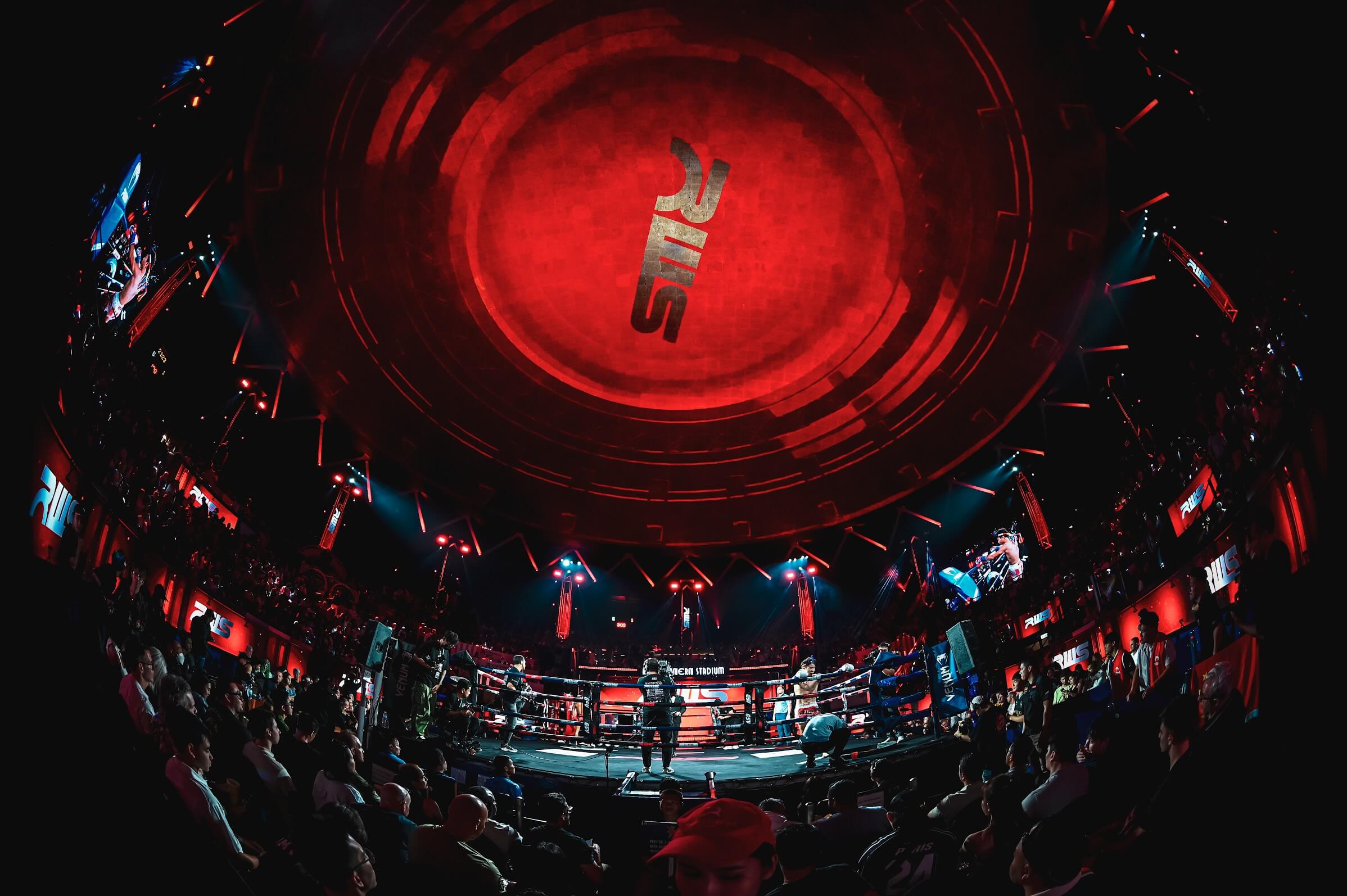
While training in Muay Thai is essential for honing your skills, there’s no better way to truly immerse yourself in the sport than by experiencing the excitement of live Muay Thai matches. The energy of the crowd, the intensity of the fighters, and the deep-rooted cultural rituals all come together to create an unforgettable experience.
Buy your ticket and join us at Rajadamnern Muay Thai Stadium to experience the ultimate Muay Thai adventure firsthand. Immerse yourself in the live action, learn from the fighters, and take in the rich cultural heritage of Thailand’s most iconic martial art.
Share this news


Related News

Top 8 Sports Events in Bangkok: Muay Thai, Marathons & More
May 7, 2025
Discover top sports events in Bangkok—from thrilling Muay Thai fights to epic marathons. Plan your sporty trip with this full event guide!

