
 English
 Learn where Muay Thai originated, how it evolved from battlefield tactics to professional sport, and how Rajadamnern Stadium brings this history to life.
Mar 12, 2026
Origins and Evolution of Muay Thai: The How, Why, What, and Where

Ever wondered where Muay Thai officially originated from? There’s no single birthdate or lone founder for Muay Thai. This traditional martial art evolved region by region throughout Thailand’s political and cultural history.
Where Did Muay Thai Originate From?
While much of the early records have been destroyed in wars and fires, Muay Thai was initially developed as a form of hand-to-hand combat that utilizes the entire body as a weapon. There are two periods that help to frame the story of the origins of Muay Thai:
Cultural start (pre-1400s): Guards, militias, and villagers underwent unarmed training and striking skills, including close-quarters combat, paired with weapons practice, such as krabi-krabong.
Professional start (1945): Rajadamnern Stadium’s opening beckoned the arrival of professional rules and standards, official rankings, and championship belts.
Regional Roots of Muay Thai
Muay Boran is an umbrella term for the ancient Thai unarmed systems, considered the ancestor of modern Muay Thai. Several regional influences of modern Muay Thai include:
Muay Chaiya (South): Known for its strong defensive posture and strategy, using a compact guard, tight counters, hip-driven defense to block strikes effectively.
Muay Korat (Northeast): Emphasizes strength through hard, low kicks, powerful front snap kicks, and heavy punching pressure.
Muay Lopburi (Central): Focuses on agility, versatility, and unpredictability through feints, technical timing, and quick footwork.
Muay Thasao (North): Emphasizes speed and agility, with fast kicks and combinations of punches, kicks, and knees in open space.
Evolution of Muay Thai
Modern Muay Thai is the culmination of all these regional fighting techniques, refined through established rules and scoring systems. In the past, when villagers and commoners trained for self-defense, it evolved into a popular spectator sport, with tournaments becoming a source of local pride, spreading best techniques and ideas across regions, and becoming an important part of Thai culture.
As Muay Thai evolved into a competitive sport, judging began to favor clean, effective techniques, balance after impact, and ring control, principles that are still used today. Safety and structure have been standardized in every match, from the rings to the referees, gloves, timekeeping, and weight classes, making fights safer while preserving the art.
Additionally, the rituals of Muay Thai remain an integral part of the sport: The Wai Kru is a pre-fight ritual where fighters show respect to their teachers and ancestors. Ram Muay is a dance-like, choreographed movement used to prepare the body and showcase the fighter’s style and skill. The mongkol (headband) and prajiad (arm bands) worn by fighters are signs of respect and protection. The live orchestra music, including the pi java (reed), khlong khaek (drums), and ching (cymbals), sets the fight’s pace and amplifies the energy with its rhythm.
Muay Thai: Thailand’s National Sport
The discipline, respect, and community dynamics in Muay Thai are evident throughout various aspects of Thai life, making it culturally relevant today. Muay Thai has been adopted by schools, the police, and the military as a training method for physical conditioning and instilling values and discipline.
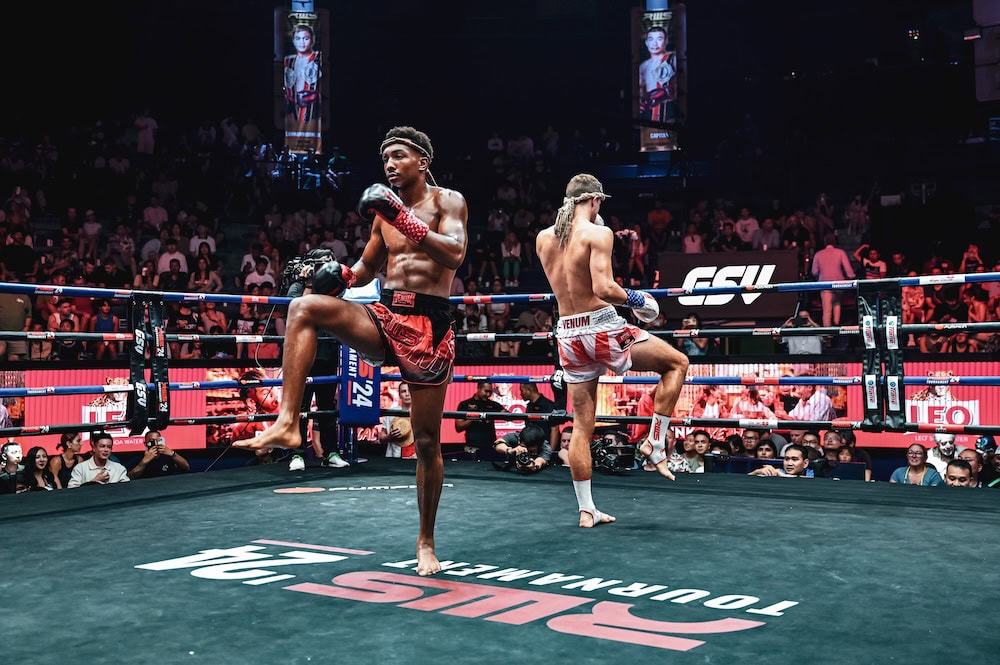
As a professional sport, Muay Thai is widely recognized worldwide, serving as a representation of Thailand’s identity and rich culture. Modern Muay Thai continues to put the eight limbs in practice, from punches (jab, cross, hook, uppercut) to shins and kicks (round kick, push kick), elbows (horizontal, diagonal, spinning), knees (straight, step-in, flying), and the clinch (posture, grips, off-balancing). Today’s rules and regulations for weight classes, round duration, scoring, fouls, and equipment ensure the safety of fighters and fair competition.
Where to Immerse Yourself in the Journey of Muay Thai
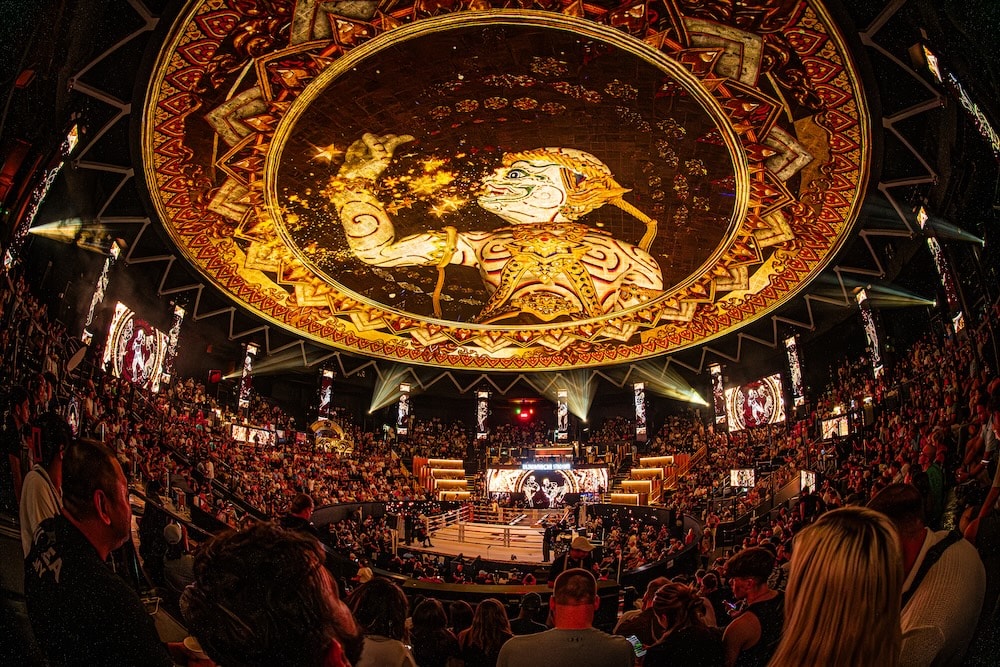
Get a picture of where Muay Thai originated from the immersive dome projection show at Rajadamnern Stadium, which condenses centuries of Muay Thai history into minutes. The stadium’s circular sight-line lets you observe angles, postures, and fight styles from anywhere you sit. Feel the thrill and excitement of the audiences past as you watch the most elite Muay Thai fighters showcase their skills and prowess, displaying why it’s called The Art of the Eight Limbs.
Be carried away by the orchestra’s music and the crowd’s cheers and chants as you witness living history in every Muay Thai fight you watch at Rajadamnern Stadium, the birthplace of Muay Thai we know and appreciate today. Book your ticket to experience authentic Thai boxing in the stadium that helped define it.
References:
Muay Boran Styles: A Comprehensive Guide. Retrieved on 4 November 2025 from https://www.gaawutproductions.com/post/muay-boran-styles
History of Muay Thai: From Ancient Warriors to Modern Sport. Retrieved on 4 November 2025 from https://www.nowmuaythai.com/blog/history-of-muay-thai-from-ancient-warriors-to-modern-sport
Share this news


Related News

Check Out These Best Places To Visit In Thailand For First-Timers
Jan 9, 2026
Planning your first trip to Thailand? You’re about to experience one of the most exciting countries in Southeast Asia. Busy city streets, peaceful mountain towns, and beautiful island beaches are just the start

