English
  简体中文
简体中文  日本語
日本語 Learn how to get a six pack using the same training methods that build elite Muay Thai fighter physiques
Apr 27, 2026
How to Get Abs Like a Muay Thai Fighter
Key Highlights
- Fighters build visible abs through functional training, not endless crunches.
- Core strength in Muay Thai comes from rotation, bracing, impact absorption, and conditioning under fatigue.
- Low body fat from high-intensity training and smart nutrition reveals the muscle that performance training builds.
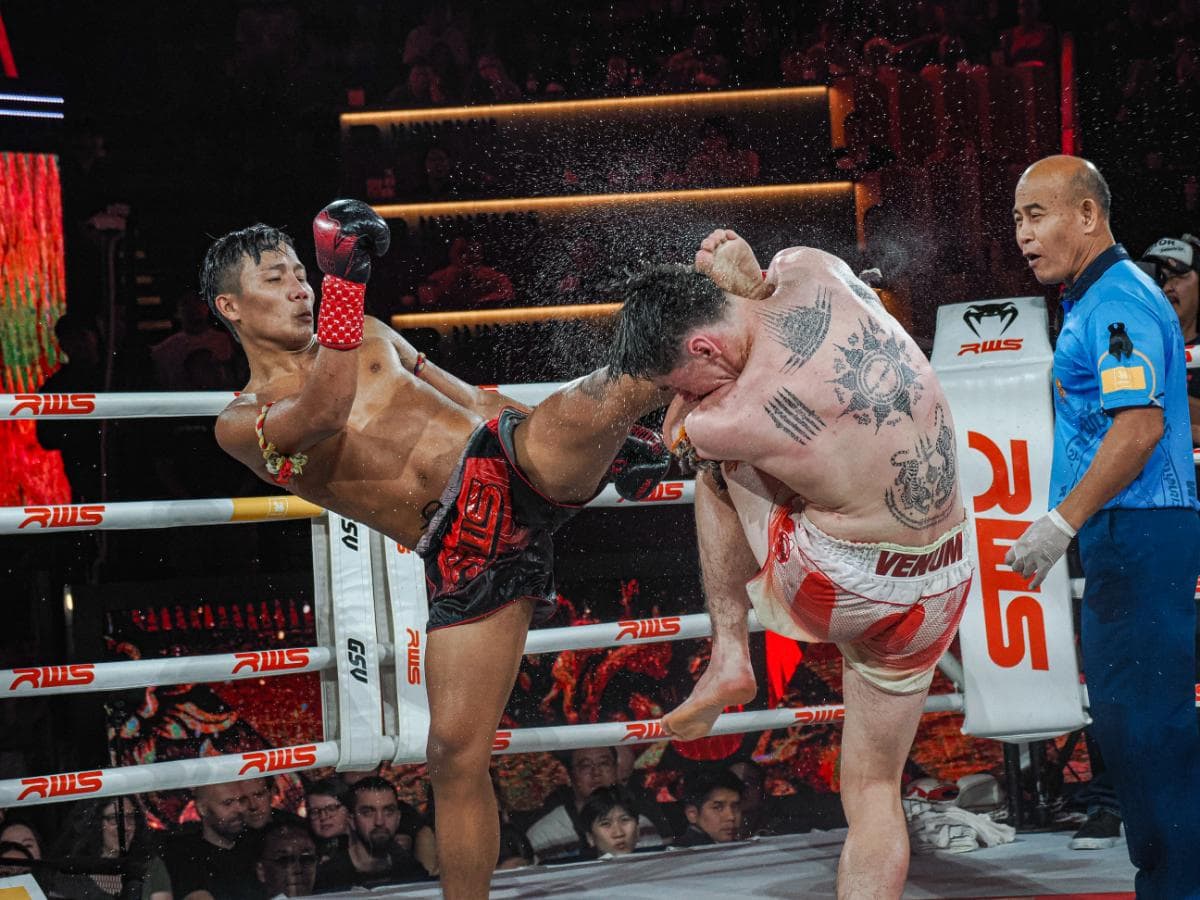
Muay Thai fighters have visible abs due to the sport’s demand for a strong, lean core, not from actively seeking them. Fighters develop abs through functional power, rotational strength, and conditioning that builds muscle while burning fat, unlike those who rely on crunches and calorie counting. If you want to know how to get a six pack like a Muay Thai fighter, you have to train like someone who needs their core to absorb body shots and generate knockout power.
Why Most Ab Routines Don’t Work for Fighters
Crunches and sit-ups train spinal flexion, but fighters rarely use their abs that way. In the ring, the core contracts to absorb impact, rotates to generate striking power, and stabilizes to maintain balance on one leg. Training only flexion misses the primary functions that build dense, visible muscle.
Muscle won’t show if it’s covered by body fat, even with constant ab exercises. To achieve visible abs, you need a low body fat percentage, which is a result of overall calorie expenditure, not just specific exercises. Even with extensive daily crunches, abdominal definition remains elusive if your workouts don’t expend sufficient calories to reduce the body fat obscuring your core.
How Muay Thai Fighters Actually Train Their Core
Fighters build abs in practice:
- Pad work and bag work: Every punch, kick, knee, and elbow engages the core through rotation and bracing. A single pad round includes hundreds of these engagements without a single crunch.
- Clinch wrestling: Fighting for position against a resisting opponent requires constant trunk engagement. The push-pull battle of the clinch loads the core under real resistance for minutes at a time.
- Kick defense: Checking kicks and absorbing impacts trains the stabilizers that hold posture under pressure. The core fires reflexively to prevent getting knocked off balance.
- Sparring and drilling: Unpredictable movement forces reactive core engagement that static exercises like planks can’t replicate. You brace when you don’t know what’s coming, and that builds functional strength.
How to Get Abs Fast (Realistically)
How to get abs fast has a relative answer. Visible results come from consistent training and reasonable nutrition over weeks and months, not shortcuts. Let’s say that again: no shortcuts. That said, fighters stay lean because their training burns massive calories. Pad rounds, skipping, running, and clinch work add up to significant energy expenditure every session.
High-intensity intervals mimic fight pacing and strip body fat faster than steady-state cardio. Three-minute rounds with short rest periods keep the heart rate elevated and the metabolism running hot long after training ends. This conditioning work is why fighters maintain low body fat year-round without extreme dieting.
Nutrition Principles from Fight Camps
Fighters eat to perform, not to starve or carry excess. That means consuming adequate protein for muscle recovery, carbohydrates for training energy, and controlled portions when they need to make weight ahead of a fight. The goal is fueling hard training while staying lean.
Extreme diets often backfire because cutting calories too hard kills training intensity and burns muscle along with fat. Fighters who crash diet before fights often look flat and perform poorly. The practical takeaway is to eat enough to train hard, maintain a modest caloric deficit if fat loss is the goal, and prioritize whole foods over processed options. That’s protein at every meal, vegetables for volume and micronutrients, and enough carbs to get through your sessions.
A Simple Framework for How to Get Six Pack Abs

Here’s how to apply fighter training principles without becoming a professional athlete:
- 2-3 Muay Thai sessions per week: Technique work, pad rounds, and sparring build the core through real movement. You’re training abs every session without thinking about it.
- Supplemental conditioning: Skipping rope, running, or rowing adds calorie burn and builds the cardiovascular base that lets you train harder. Aim for 2-3 additional sessions of 20-30 minutes.
- Core finishers (optional): If you want direct ab work, choose exercises that mimic how fighters use their core. Think hanging leg raises to train the hip flexors and lower abs under load, medicine ball rotations, and plank variations to develop the bracing strength that protects the spine.
- Recovery: Sleep and rest are just as important as training. In fact, overtraining increases cortisol, which promotes fat storage and stalls progress. Always remember that hard training requires adequate recovery to produce results.
See What Functional Training Produces at Rajadamnern Stadium
The difference between gym abs and fighter abs becomes obvious when you watch elite Thai boxing at Rajadamnern Stadium. Here, fighters throw five-round bouts, absorb clean body shots, and still move fluidly in the championship rounds. That kind of endurance and resilience comes from a core trained under real conditions, not from crunches at home.
Rajadamnern Stadium hosts fights daily, and watching from ringside or the upper tiers gives you a front-row look at what years of Muay Thai training builds. Pay attention to how fighters rotate through strikes, how they recover balance after throwing head kicks, and how they clinch without gassing out. That’s functional core strength on display.
Book a fight night at Rajadamnern Stadium to see the results for yourself, and bring that same training mindset back to your own gym.
Frequently Asked Questions
Q: Do Muay Thai fighters train abs directly?
A: Not primarily. Fighters develop their abs through pad work, clinching, sparring, and rotational striking that constantly engages the core under resistance.
Q: Why don’t crunches build fighter-style abs?
A: Crunches focus on spinal flexion, while fighters rely more on rotation, bracing, and impact absorption. Training only flexion ignores how the core functions in combat.
Q: How do fighters keep body fat low?
A: High-intensity rounds, skipping rope, running, sparring, and clinch work create massive calorie expenditure, helping maintain low body fat without extreme dieting.
Q: How long does it take to get visible abs?
A: There are no shortcuts. Visible abs typically require consistent training and controlled nutrition over weeks or months, depending on starting body composition.
Q: What core exercises mimic fighter training?
A: Hanging leg raises, medicine ball rotational throws, plank variations, and anti-rotation exercises best reflect how fighters use their core.
Q: How often should I train to build abs like a fighter?
A: Two to three Muay Thai sessions per week combined with additional conditioning sessions can significantly improve core strength and body composition.
Q: Where can I see elite Muay Thai conditioning in action?
A: You can watch top-level fighters compete at Rajadamnern Stadium, where five-round bouts showcase real-world core strength, endurance, and functional movement.
References
- Core Stability and Athletic Performance. (2024, June 12). American Council on Exercise. Retrieved February 15, 2026, from https://www.acefitness.org/education-and-resources/professional/expert-articles/core-stability-training
- High-Intensity Interval Training and Fat Loss. (2023, November 20). Healthline. Retrieved February 15, 2026, from https://www.healthline.com/nutrition/hiit-fat-loss
Share this news



Related News

How Muay Thai Training Reduces Office Syndrome
Apr 27, 2026
Discover how Muay Thai works as exercise for office syndrome, relieving neck and shoulder pain while building functional strength