English
  简体中文
简体中文  日本語
日本語 Learn what southpaw boxing is, why a left handed boxer stance creates unique advantages, and where to watch elite southpaws compete live at Rajadamnern Stadium
Apr 27, 2026
What Is a Southpaw in Boxing? A Complete Guide
Key Highlights
- The southpaw stance leads with the right hand and foot, creating unique angles that often disrupt orthodox fighters who lack experience against left-handed opponents.
- Southpaws gain advantages from open-stance matchups, outside-foot positioning, and familiarity with orthodox timing, but success depends on skill and preparation—not handedness alone.
- In Muay Thai, southpaws amplify these benefits through rear left kicks, lead teeps, and clinch control, though poor positioning can quickly negate their edge
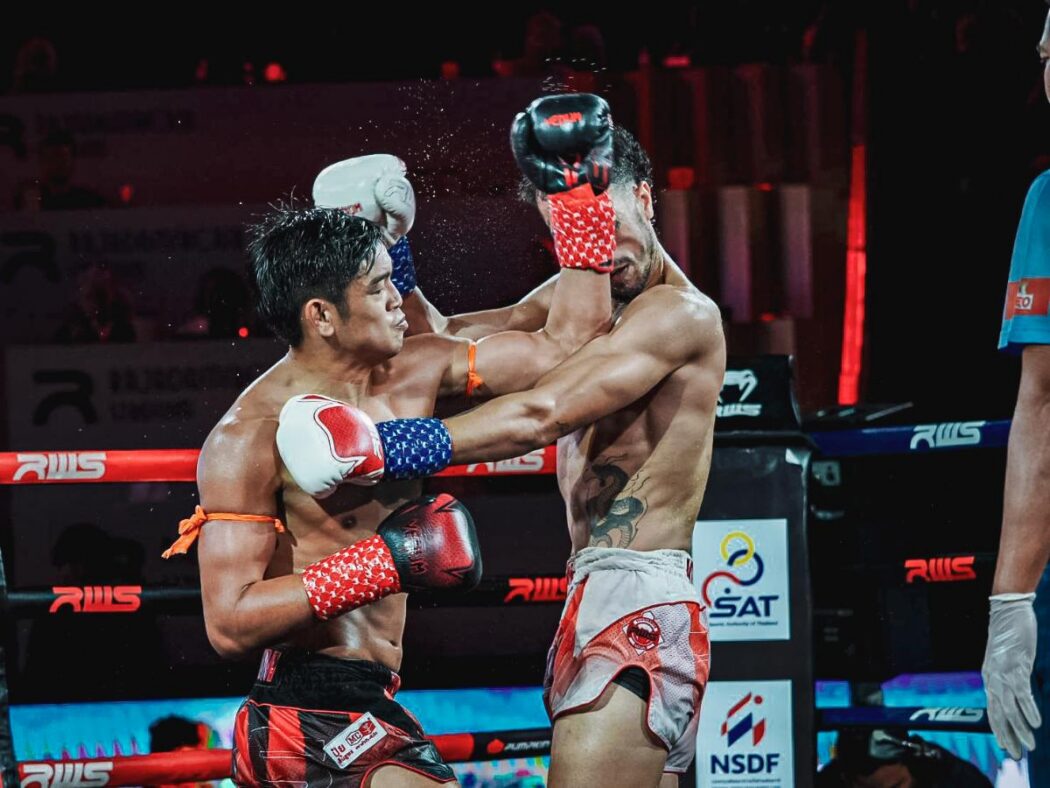
If you’ve ever watched a Muay Thai fight and noticed that something felt off about the way one fighter moved, you may have been watching a southpaw work. The term refers to a stance where the right foot and right hand lead while the left hand sits in the rear as the power hand. Although most left-handed athletes naturally fight this way, a few right-handers intentionally use it to gain an advantage their opponents are not prepared for.
This left handed boxer stance positions the lead right hand for jabs, hooks, and frames while the rear left delivers crosses and uppercuts. It mirrors a traditional stance: the chin tucks behind the lead shoulder, the right foot leads at roughly shoulder width from the trailing left, and the weight distribution allows for quick lateral movement or explosive rear-hand power depending on the moment.
What is Southpaw in Boxing?
One’s “southpaw” is old slang for their left hand, and the term has been used to describe left handed boxers to baseball players to guitarists. In boxing, being a lefty or choosing to fight in this stance comes with its own advantages and challenges.
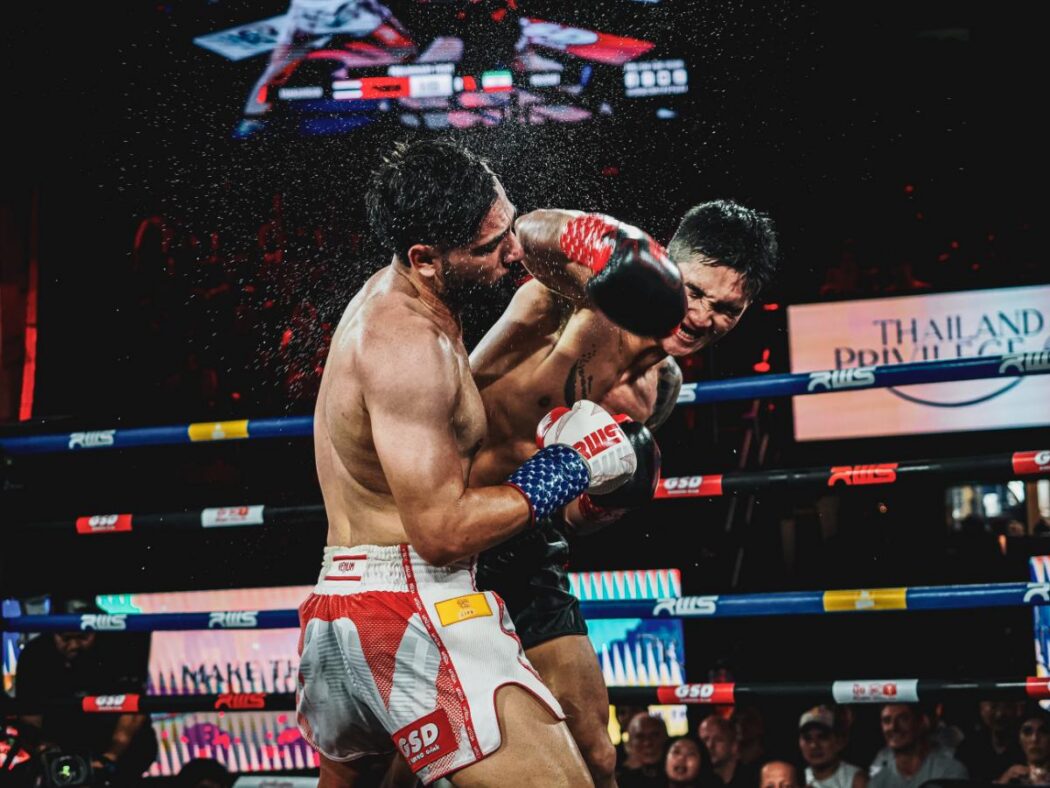
When an orthodox fighter (left foot forward, right hand in the rear) faces a southpaw, their strategies flip. The angles change, the targets move, and the usual timing feels off. Coaches refer to this mirror effect as an “open stance” matchup, allowing both fighters’ dominant hands a more direct path to the head and body because neither guard completely defends the opposite side.
Most fighters train against right-handed opponents, as about 90% of people are right-handed, and not against left-handed opponents. Conversely, southpaws are always exposed to right-handed timing and behaviors, since they must be. When these styles collide, the southpaw’s experience in training lets them see and react first.
Are Southpaw Fighters Better?
That fact leads to a great question: are southpaw fighters better by default? The answer is a decisive “No”. The edge in fighting comes from angles, preparation, and ring intelligence rather than handedness alone. A southpaw who wins the outside-foot battle can line up the straight left to the head or body with devastating effect, but an orthodox fighter who has drilled open-stance work can neutralize that advantage entirely.
The Trade-Offs of the Southpaw Stance
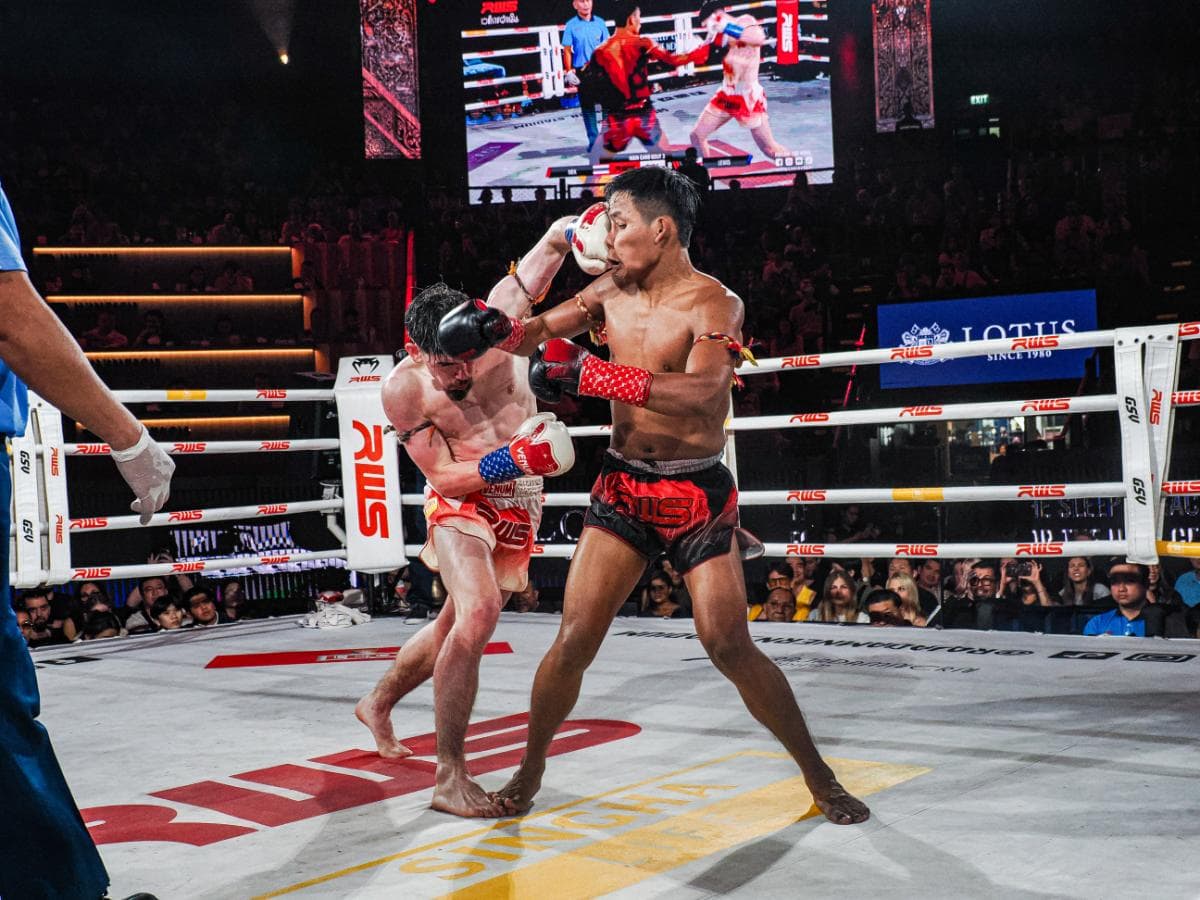
Advantages aside, Southpaw boxing carries risks that punish lazy execution. Drifting inside rather than outside puts the southpaw directly in the path of the orthodox rear right hand, which can be devastating if landed. Similarly, overreliance on the straight left makes it predictable, and squared hips during exits invite body shots. If a southpaw gets trapped along the lead-side ropes without resetting angles, their advantage disappears.
Southpaws in Muay Thai
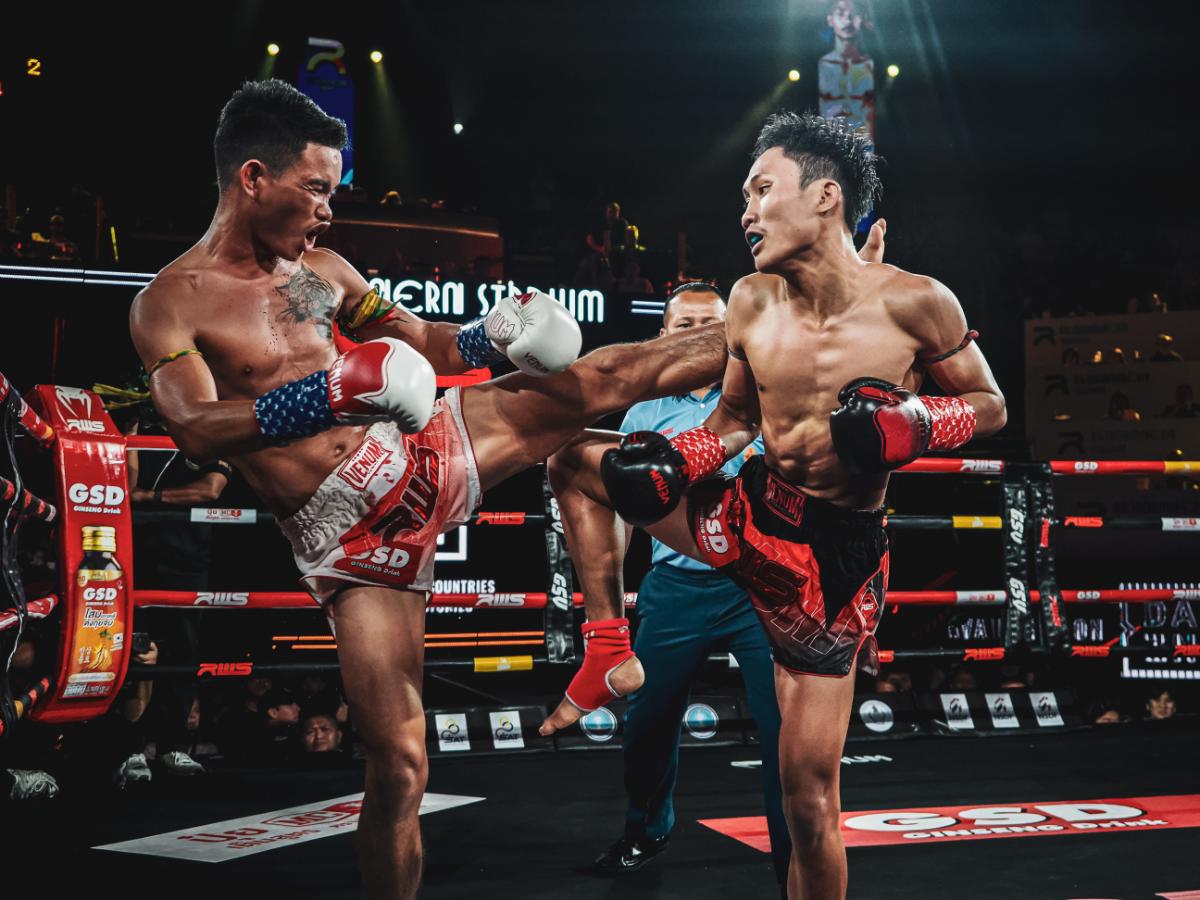
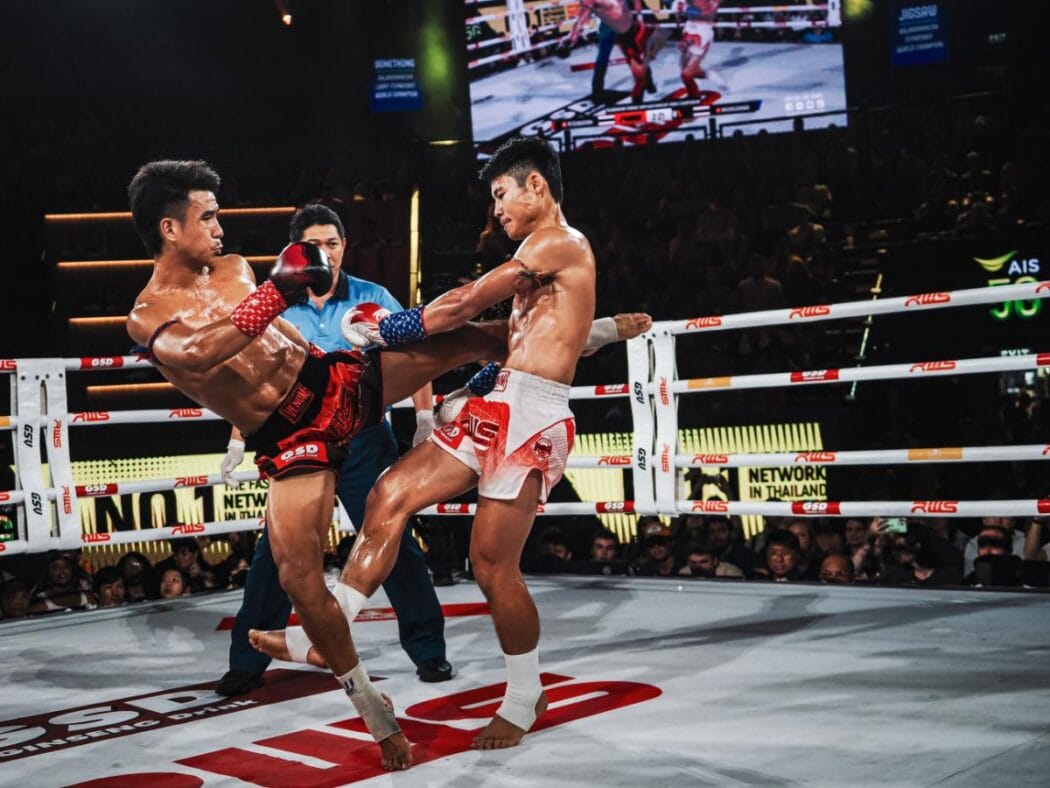
In Muay Thai, the same principles apply with additional weapons in play. A southpaw’s lead right teep manages distance effectively, and the rear left body kick lands on the orthodox fighter’s open side with brutal efficiency. Kick-catch exchanges often end with the southpaw firing a left cross while the orthodox fighter is still recovering balance.
Clinch work changes too: the outside-foot position opens knee lanes and dump opportunities over the trapped leg. Thai judges reward balance, clean effect, and posture, so southpaws who control exits and show composure in the clinch often edge close rounds.
Quick Glossary
Orthodox: Left foot and left hand lead; right hand in the rear. The default stance for right-handed fighters.
Southpaw: Right foot and right hand lead; left hand in the rear.
Open stance: Any matchup between an orthodox and southpaw fighter where mirrored positioning exposes both fighters’ power-hand lanes.
Outside foot: Positioning your lead foot outside your opponent’s lead foot to create angles for power shots while closing off theirs.
Switch stance: A high-level combat technique of alternating between orthodox (left foot forward) and southpaw (right foot forward) to disrupt an opponent’s rhythm, create new attack angles, and change targeting.
See Southpaw Tactics Live at Rajadamnern Stadium
For fans of boxing, there’s no replacing seeing a southpaw boxer live in action to really appreciate the differences. Rajadamnern Stadium hosts nightly Muay Thai boxing cards throughout the week, where you can study open-stance battles, left-kick setups, and catch-and-counter sequences from inside our storied and state-of-the-art stadium.
Plan a Muay Thai fight night at Rajadamnern Stadium to study real southpaw tactics—angles, footwork, and scoring that videos can’t fully show.
Frequently Asked Questions
Q1: What does southpaw mean in boxing?
A southpaw is a fighter who leads with the right foot and right hand, keeping the left hand in the rear as the power hand.
Q2: Why do southpaws feel awkward to fight against?
Most fighters train primarily against orthodox opponents, so the mirrored angles and timing of a southpaw disrupt familiar patterns.
Q3: Are southpaw fighters naturally better than orthodox fighters?
No. Any advantage comes from angles, preparation, and execution rather than being left-handed.
Q4: What is the outside-foot advantage in open-stance matchups?
Placing the lead foot outside the opponent’s lead foot opens power lanes while limiting the opponent’s counters.
Q5: What are common mistakes southpaws make?
Drifting inside, becoming predictable with the straight left, and failing to reset angles can expose southpaws to heavy counters.
Q6: How does the southpaw stance work in Muay Thai?
Southpaws use lead right teeps for distance, rear left kicks to the open side, and clinch positioning to score with balance and control.
Q7: Why do southpaws often succeed in clinch exchanges?
Outside-foot positioning opens knee lanes and off-balancing opportunities that judges reward for posture and effect.
References
- Orthodox vs Southpaw Boxing: What’s the Difference. (2025, October 30). Infinitude Fight. Retrieved January 18, 2026, from https://www.infinitudefight.com/orthodox-vs-southpaw-boxing/
- Southpaw Guide to Beating Orthodox Fighters. (2019, January 20). Expert Boxing. Retrieved January 18, 2026, from https://expertboxing.com/southpaw-guide-to-beating-orthodox-fighters
Share this news



Related News
Low Kick in Muay Thai Boxing: Techniques, Types, and Fight Applications
Apr 27, 2026
Learn what a low kick is, core low kick techniques, and how they shape fights—then watch them live in action at Rajadamnern Stadium.