English
  简体中文
简体中文  日本語
日本語 Muay Chaiya is a defensive variation of Thai martial arts – watch fighters use this style live at Rajadamnern Stadium.
Mar 12, 2026
What Is Muay Chaiya and Where to Watch it Live
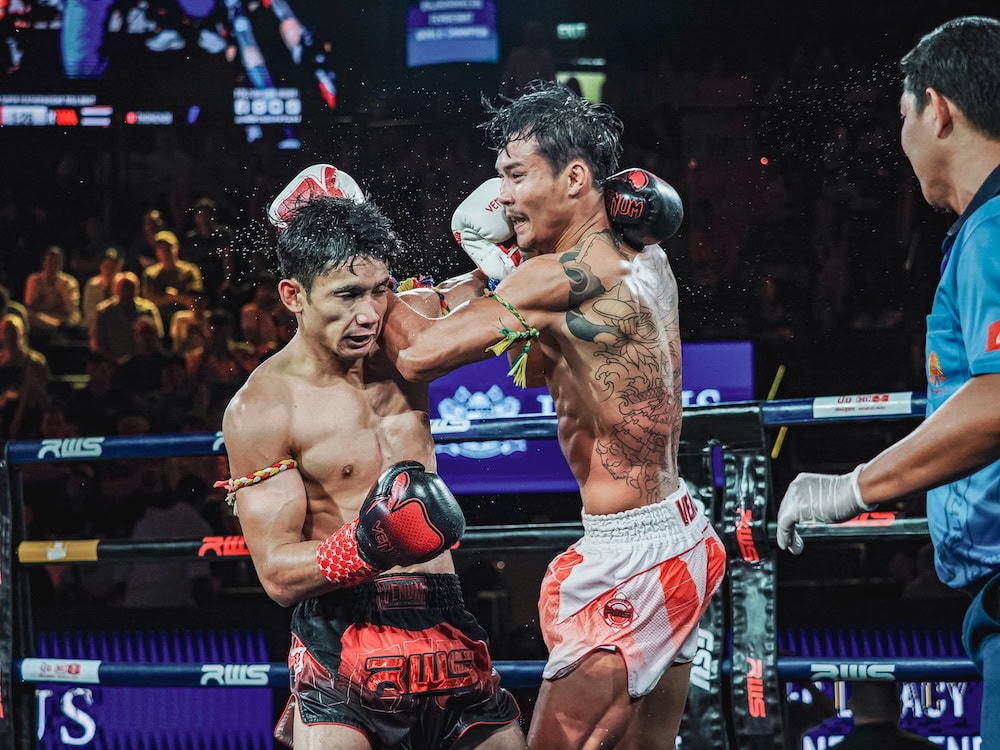
Imagine a fighting style refined around the concept of blocking an opponent’s strike in a way that also injures them. Muay Chaiya masters this paradox. When you attack a Muay Chaiya fighter, you might hit their guard only to find your shin meeting their razor-sharp elbow or your fist colliding with a strategically positioned bone.
Muay Chaiya is just one of many styles of Muay Thai that certain fighters practice to great success. This ancient southern Thai martial art flips modern fighting logic, with champions proving that patience and precision defeat aggression. At Rajadamnern Stadium, you can witness Muay Chaiya masters in the ring and observe the differences between their defensive style and modern Muay Thai.
What Is Muay Chaiya?
Muay Chaiya is one of Thailand’s oldest martial arts, originating from the historic Chaiya district in southern Surat Thani Province over 200 years ago. Unlike modern Muay Thai’s aggressive, forward-pressing style, Muay Chaiya emphasizes defensive mastery, patience, and devastating counterattacks that made southern Thai fighters so iconic.
According to Muay Thai lore, Por Tan Ma, a former Bangkok army leader turned Buddhist monk, founded the style at Wat Tung Jab Chang monastery during the late 18th century. He systematized combat techniques under the philosophy “protection from within before protecting without,” creating a defensive framework that revolutionized southern Thai fighting.
Fighter Plong Chamnongthong brought Muay Chaiya royal recognition in 1909 when he won a fight using the “Tiger Dragging Tail” technique before King Rama V. The king bestowed a noble title upon him, legitimizing the style’s place in Thai martial arts history.
How Muay Chaiya Differs from Modern Muay Thai
The philosophies of modern Muay Thai and Muay Chaiya clash dramatically. Muay Thai fighters press forward, throw volume strikes, and overwhelm through aggression. Muay Chaiya practitioners adopt a “trap and attack” strategy, waiting for opponents to commit before delivering precise counters.
In terms of stance, Muay Chaiya fighters maintain a low, compact posture with a distinctive 45-degree triangle guard – left arm raised at a 45-degree angle near the right eyebrow, right arm lower protecting the ribcage. This creates maximum coverage while maintaining balance. Modern Muay Thai’s upright stance sacrifices defense for offensive reach.
This stance also affects footwork, with Muay Chaiya using the signature “Yang Sam Khum” (Three-Step Walk) zigzag movement in triangle formations. Such movement minimizes torso exposure while maintaining perfect positioning.
Fighters also use traditional rope wrapping (Kard Chuek) instead of boxing gloves, which allows grappling and grabbing techniques impossible in Muay Thai. Masters transform rope-wrapped hands into weapons capable of severely injuring opponents through fearsome “Tiger Claw” strikes.
Signature Techniques and Fighting Characteristics
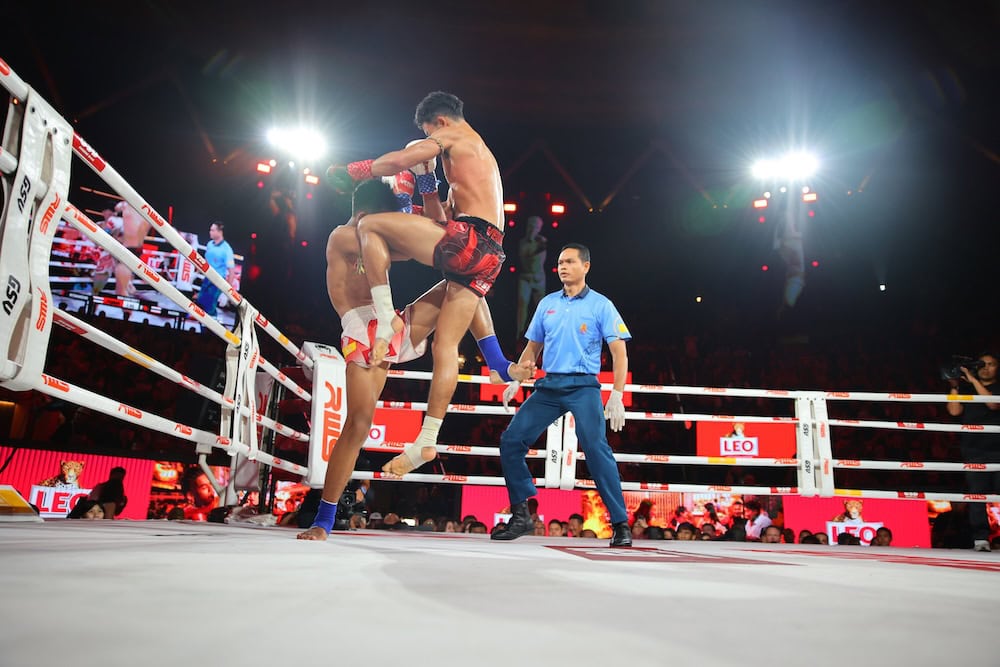
The elbow dominates Muay Chaiya’s offensive system. Practitioners master elbow techniques for all ranges: long-distance jumping and spinning strikes, medium-range parrying and countering, close-range cutting and breaking. In contrast, Modern Muay Thai uses elbows opportunistically rather than as an offensive foundation.
Four core defensive movements create an integrated system. “Cover” employs full protection, “Flick” brushes attacks aside, “Close” lifts body parts to defend, and “Open” deflects while countering. Every defensive movement flows directly into a counterattack, making fighters appear nearly impenetrable.
The low stance creates exceptional stability. Muay Chaiya fighters rarely get knocked down because their weight distribution naturally resists throws and trips. This stability allows explosive counters from defensive positions. Offensively, low-trajectory kicks target vital points rather than generating maximum force, and knee strikes come from angles modern fighters rarely train against. These specialized strikes emphasize precision over power.
Where to Watch and Learn Muay Chaiya Today
Muay Chaiya represents the pinnacle of traditional Thai defensive fighting – a complete system emphasizing intelligence, timing, and efficiency over brute force. Learning about what Muay Chaiya is helps you appreciate the nuances of Thai martial arts and might even inspire you to try the style for yourself.
There are a few specialized schools that maintain authentic Muay Chaiya training passed from Grandmaster Khet Sriyaphai. Baan Chang Thai is popular in Bangkok, while K Plus Muaythai Chaiya in Koh Samui offers training led by masters born in Chaiya district with 46 years of experience.
To watch professionals, visit the annual World Wai Kru Muay Thai Ceremony in Ayutthaya (held every March). This event has authentic Muay Chaiya demonstrations alongside the three other traditional Thai boxing styles, showcasing the distinctive southern techniques that made the style legendary.
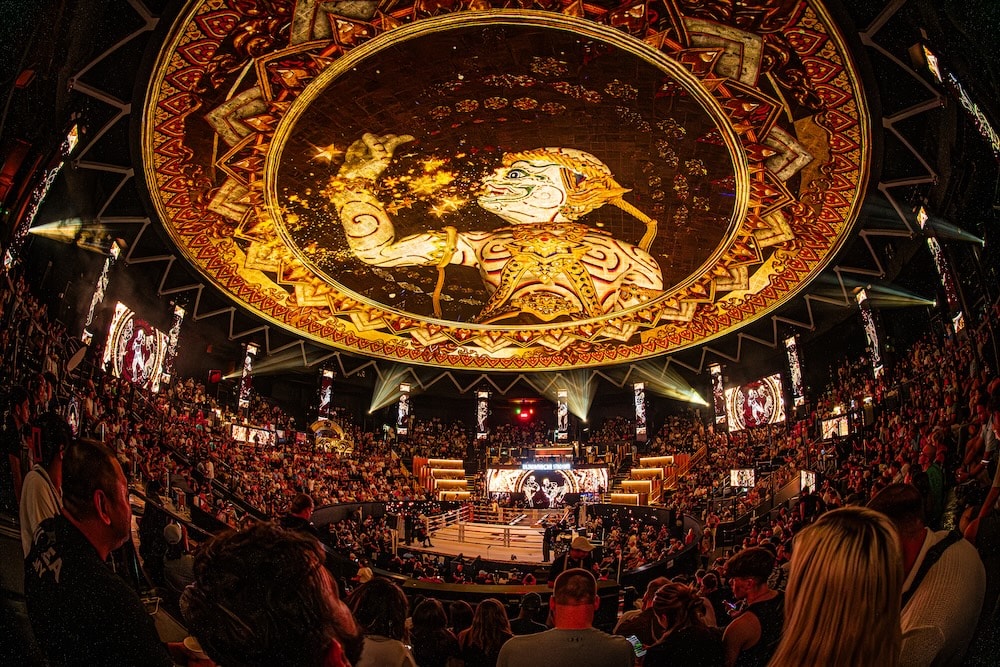
At Rajadamnern Stadium, Thailand’s oldest and most prestigious boxing venue, observant fans occasionally spot fighters incorporating Muay Chaiya techniques into modern competition. Look for the defensive postures, counterstriking strategy, and sophisticated elbow work.
Experience Elite Muay Thai at Rajadamnern Stadium
Rajadamnern maintains deep connections to Muay Thai’s traditional roots while showcasing elite modern competition on a nightly basis, with boxing tickets readily available to purchase online. Our fight nights deliver explosive energy and technical excellence with traditional music, expert in-arena experiences, and world-class action.
Book your Muay Thai tickets today and witness why Thai boxing at Rajadamnern Stadium is so captivating.
Share this news



Related News
Origins and Evolution of Muay Thai: The How, Why, What, and Where
Mar 12, 2026
Learn where Muay Thai originated, how it evolved from battlefield tactics to professional sport, and how Rajadamnern Stadium brings this history to life.