English
  简体中文
简体中文  日本語
日本語 Walking into a Muay Thai gym for the first time can feel like stepping into another world. The rhythm of gloves on pads, the sharp crack of kicks, the intensity radiating from every corner.
Apr 23, 2026
Why It’s Important to Train With the Right Muay Thai Coach
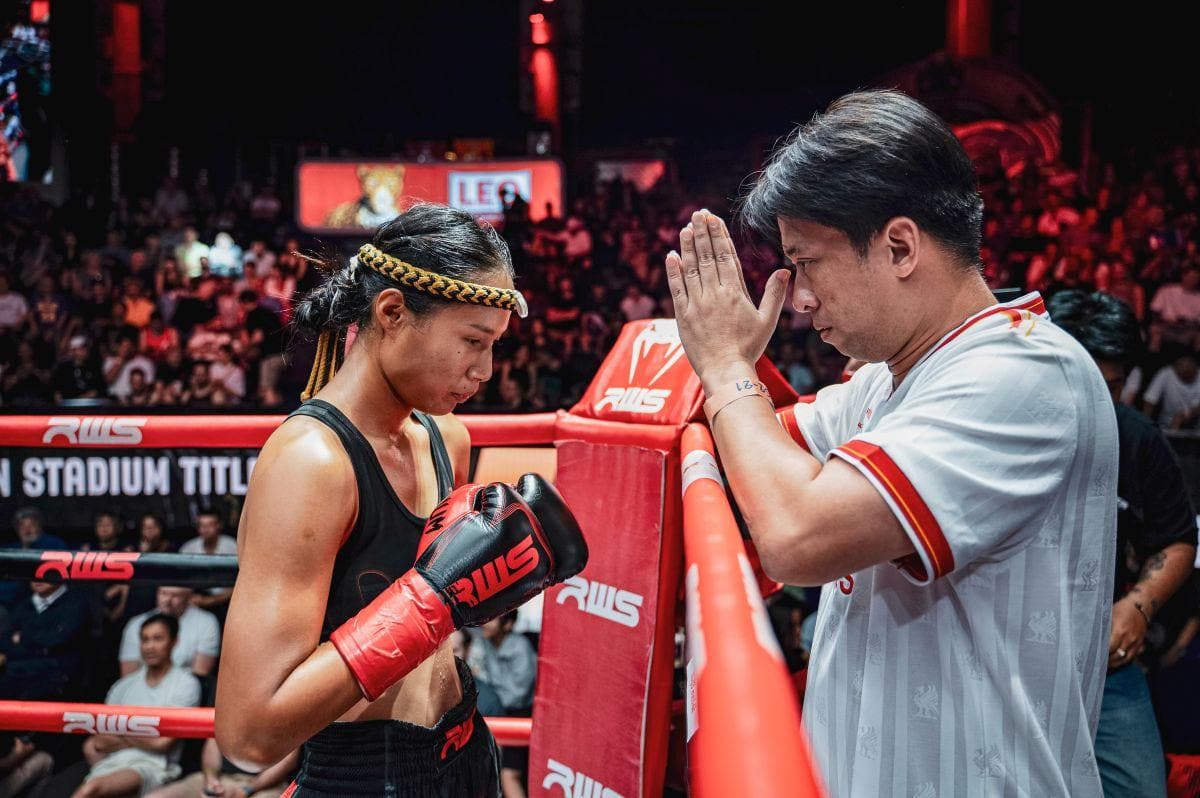
Walking into a Muay Thai gym for the first time can feel like stepping into another world. The rhythm of gloves on pads, the sharp crack of kicks, the intensity radiating from every corner. But what separates people who drift through classes from those who actually progress? The quality of their Muay Thai coach.
Getting proficient at Muay Thai comes with fitness and technical skill, and the right Muay Thai trainer becomes a compass as you learn and master the art. They map your journey from uncertain footwork to fluid combinations, from hesitant defense to genuine confidence.
Why the Right Muay Thai Coach Matters
Bad form in Thai boxing isn’t just inefficient, but dangerous. That dropped guard after your cross, the flat-footed pivot on your kick, and the chin-up habit during exchanges can become muscle memory if nobody corrects them early. But a sharp Muay Thai coach spots these flaws before they turn into injury patterns or performance walls.
They know when your hip isn’t rotating through your roundhouse, or when your weight distribution leaves you off-balance. They spot when you’re telegraphing movements before they land. Each correction compounds over months, keeping you healthy while building real power and precision.
How a Coach Sequences Your Progress
The core of Muay Thai lies in knowing when and how to use your weapons. A proper coach will help you build deliberately: stance stability first, guard recovery second, single strikes third, then two-piece combos, defensive reactions, clinch basics, and finally the layered exchanges that define skilled fighting.
The conditioning also matches your technical capacity. If your form collapses in round three, adding more volume won’t help. Good coaches have drills that maintain your efficiency under fatigue.
The best Muay Thai trainers also instill culture and mutual respect through rituals like sealing the ring and controlling contact during drills. When your coach models discipline and courtesy, the entire gym follows.
Coach vs. Trainer: What You Actually Need
The terms get used interchangeably, but there’s a meaningful difference.
A Muay Thai trainer excels at running pad rounds, providing crisp feedback, correcting timing, and drilling fundamentals. They are valuable for fitness-focused training.
A Muay Thai coach does more. They assess where you are and where you want to go, then map the steps between. They plan training blocks, identify weak points, adjust intensity around recovery, and prepare you for specific goals.
If your goal is general fitness with clean technique, a skilled trainer who holds pads three times weekly might be enough. But if you want to spar competently or compete, you need a coach who watches your defense under pressure, identifies your tendencies, builds game plans, and teaches you how to read your opponents.
Must-Have Qualities in a Muay Thai Coach
Technical clarity
Your coach should demonstrate movements, not just describe them. When they show a teep, you see the chamber, hip extension, and recoil. When they correct your jab, the feedback is specific: “Step first, then punch” beats “be faster” every time.
Great corner work
During pads or sparring, your coach gives you one or two actionable cues like “Hands up.”, “Step left.”, and “Knee when he pulls.” Coaches who understand pressure under fatigue and adrenaline keep instructions sharp and repeatable.
Builds your progression
Beginners start with stance, guard, and single strikes. Intermediate layer combinations, defensive reads, and basic clinch. Advanced students refine timing, study styles, and prepare for competition. If you’ve trained six months and still only throw jab-cross-hook on pads, your coach isn’t pushing your growth.
Communication with context
The best trainers explain why. “Turn your hip when you kick so you generate power from your core, not just your shin.” Understanding the reasoning makes the technique stick.
Adherence to safety
A responsible coach enforces glove and shin guard standards, checks for worn gear, and insists on proper warm-ups. They know when to stop a round if someone’s compromised.
Credentials and background
Your coach is only as good as their lineage, competitive or not. Ask where your coach trained, who their teachers were, what their fight record looks like, and most importantly, do they still study the sport? Your coach should also have experience with students like you, whether you’re a beginner, a woman starting out, a junior, or a returning athlete. First-aid awareness and concussion literacy are also non-negotiable.
How to Vet a Gym and Its Coaches
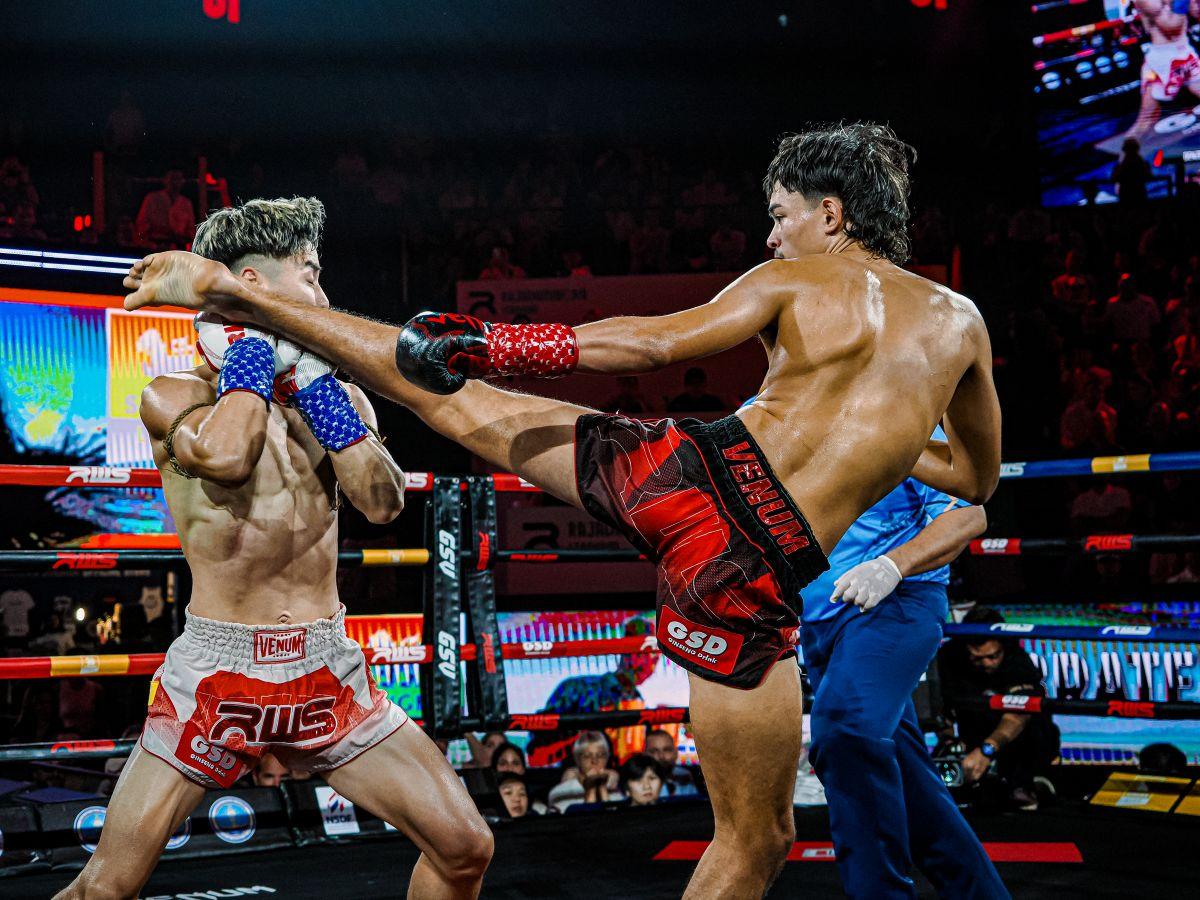
Walk into any gym and assess the basics
The coach-to-student ratio matters, as Muay Thai trainers can manage 10-12 students during group pads at once, but quality drops above 15. The facility itself is also important, so be sure to check the floor space, ventilation, and hygiene.
Watch the class structure
A well-run session follows a logical arc: warm-up, technical focus, pad or bag work, defense drills, conditioning, cooldown. If the classes feel chaotic with wandering between bags with no clear instructions, the coaching quality is likely suspect.
Check the partner culture
The gym is just as much a part of its culture. Is your coach matching people reasonably by size and experience? Do they control power during drills? Is clinch work respectful with regular resets? They set the tone for how everyone practices.
Building Your Training Plan
A balanced week might include three skills sessions for pad work and combinations, one or two defense days focused on blocking and clinch escapes, plus conditioning work. Your Muay Thai coach adjusts volume based on your recovery capacity and goals.
Your coach should help you set monthly micro-goals like fixing stance balance, recovering guard faster after combinations, and landing one clean liver kick in sparring. You’ll see real progress over time through these small wins.
Good coaches also know that technique improves during rest, not training. They ask about your sleep, mobility routine, and nutrition. They dial back the volume if you’re dragging through sessions. All for the simple fact that overtraining breaks bodies, not builds them.
Where to Start: Rajadamnern Singha Muay Thai Academy
If you want to build authentic Thai boxing technique, Rajadamnern Singha Muay Thai Academy is your direct line to that goal. The academy carries official certification from Rajadamnern Stadium, connecting your training to the sport’s heritage and technical standards.
Classes are led by experienced Muay Thai trainers with proven ring backgrounds and structured teaching systems. Your mastery begins with a proper approach: stance first, posture second, then power, shaving away the bad habits of self-taught fighters.
The academy offers clear progressions: beginner on-ramps, technical refreshers for returning athletes, clinch labs, and advanced pads for competitive fighters. You’re assessed regularly to ensure you’re advancing, not drifting.
Training at Rajadamnern Stadium also allows you to witness live fights multiple nights weekly, where elite techniques unfold just meters away. Watch fighters balance after impact, place kicks with precision, and clinch with control. Through this stadium-to-academy feedback loop, you can bring those observations to your Muay Thai coach and ask them to design drills around what you noticed.
Between rounds at Rajadamnern Stadium, you can also watch corners at work. Listen to the cues they give, the adjustments they make, and the composure rituals they reinforce. Bring those observations back: “I noticed the corner told him to go low after the second. Why does that work?”
Start Your Journey
The right Muay Thai coach teaches you to throw punches, on top of teaching you to think, move, and adapt like a fighter. They sequence progress, prevent injuries, and hold you accountable when discipline slips. If anything, you can tell by how vested they are in your growth.
Book a night at Rajadamnern Stadium today and see what years of proper coaching produce. Rajadamnern Singha Muay Thai Academy is your place to begin your own Muay Thai journey under Muay Thai trainers who know their game. For competitive fighting, sport, or fitness, there’s no better way to learn the art than with true intensity.
FAQs
How soon should beginners spar?
Only after demonstrating fundamentals and clear defense basics. Most coaches introduce controlled, light-contact sparring after three to six months of consistent training.
Can I work with multiple Muay Thai trainers?
Yes, but align on one plan and make sure they communicate about your goals and progress. Receiving conflicting advice without coordination can greatly stall your development.
How often should a coach reassess my form?
Weekly cues during training keep your technique honest. Request a deeper review every month or two – ideally one that’s filmed – so you can see what needs correction.
What if I only want fitness?
Pick a Muay Thai trainer who still prioritizes technique, as proper form drives safety. Even in fitness-focused classes, you might face a risk of joint stress and injury if the mechanics are sloppy.
References
- The Four Different Striking Weapons of Muay Thai. 27 October 2025. Rajadamnern Stadium. Retrieved on November 7, 2025 from https://rajadamnern.com/blog/different-muay-thai-weapons/
- Muay Thai Training for Beginners: A Complete Step-by-Step Guide. 23 June 2025. Rajadamnern Stadium. Retrieved on November 7, 2025 from https://rajadamnern.com/blog/muay-thai-training-for-beginners/
Share this news



Related News
Mastering the Long Guard: Muay Thai’s Essential Defensive Weapon
Apr 23, 2026
The fighter circles his opponent, left arm extended in waiting. His rival throws a combination – jab, cross, low kick. The extended lead hand deflects the jab, creates enough distance for the cross to miss, and drops just in time to block the kick