
 English
 Rajadamnern Stadium’s “Knockout” events boast an 80% knockout rate, making it one of the highest finish rates in combat sports. This impressive stat shows that elite Muay Thai fighters know exactly where to land their strikes.
Apr 27, 2026
A Training Guide To The Best Knockout Spots in Muay Thai

Key Highlights
- Boxing knockout points include the chin, temple, jaw hinge, behind the ear, and body targets like the liver and solar plexus
- The chin is the best place to punch for a knockout due to the rotational force it creates on the brain
- Knockout spots on the face and body work the same way in boxing and Muay Thai, with Muay Thai adding knees and elbows
- Always train these targets with control and proper gear
- Defense is just as important as offense; protect these same spots on yourself
- Rajadamnern Stadium in Bangkok hosts events with an 80% knockout rate
Rajadamnern Stadium’s “Knockout” events boast an 80% knockout rate, making it one of the highest finish rates in combat sports. This impressive stat shows that elite Muay Thai fighters know exactly where to land their strikes. For anyone new to combat sports, understanding boxing knockout points is one of the best ways to appreciate what you’re watching and improve your own training.
When you understand where the key targets are, you start to see fights differently. You notice why certain punches drop fighters while others bounce off. You begin to read the setups, the feints, and the defensive movements that separate beginners from experts.
This guide breaks down the key knockout spots on the head and body. We will cover the science behind why these targets work, how fighters set up their attacks, and how you can protect yourself from the same strikes. If you’re thinking about starting Muay Thai or boxing, this is the foundation you need.
Safety and Ethics Come First
Before we dive deeper, it’s important to talk about responsibility. Combat sports carry real risk, and every technique in this guide should only be practiced under proper supervision. Training gyms should be an important addition when starting – they provide the controlled environment, protective equipment, and expert coaching that keep athletes safe.
Remember these rules:
- Only practice these techniques in competition or supervised training
- Always wear correct gloves, hand wraps, and a mouthguard
- Aim for clean scoring, not reckless force
- Get medical clearance before sparring
- Follow proper recovery after hard sessions
KO vs TKO: What’s the Difference?
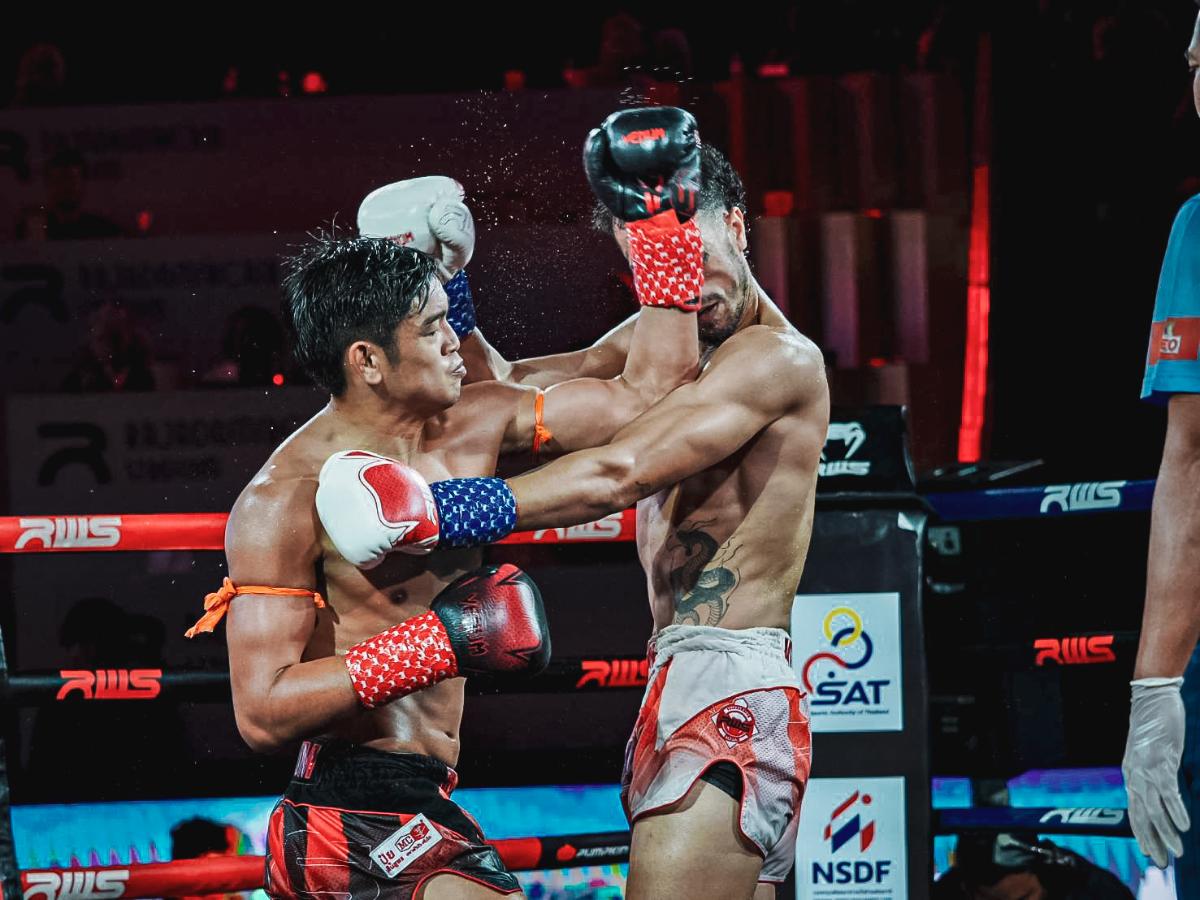
If you’re new to fighting sports, you’ll hear the terms KO and TKO often. A knockout (KO) happens when a fighter cannot continue because they lose consciousness or are too hurt to stand and defend themselves. The fight ends immediately.
A technical knockout (TKO) is slightly different. Here, the referee stops the fight because one fighter can no longer defend themselves properly, even if they are still awake. This might happen because of accumulated damage, exhaustion, or a cut that impairs vision.
In both boxing and Muay Thai, referees and judges pay close attention to balance, posture, and visible impact. A fighter who gets hit clean but stays composed looks very different from one who stumbles or drops their hands. These details matter for scoring and for stoppages.
Top Knockout Targets for Head and Body
Every strike in combat sports aims for specific targets. The best fighters create openings, set traps, and land their shots with purpose. Understanding these targets helps you train smarter in the gym and appreciate the craft when watching professionals compete.
Use these with control in training. Defend them hard in sparring and fights.
The Chin (The “Button”)
The chin is the best place to punch for knock out in combat sports. A clean shot here causes the head to rotate quickly. This rotation creates a whiplash effect on the brain.
- Classic setups: straight cross, tight hook, counter uppercut
- Muay Thai crossover: short elbows and knees punish a dropped chin
- Defense: tuck your chin, use the shoulder roll, keep a high guard when exiting exchanges
The Temple
The temple is one of the most sensitive knockout spots on the face. A good hit here messes up your opponent’s balance and timing.
- How to get there: jab feints to open the hook or overhand lane
- Defense: keep your glove glued to your temple, use angle steps, don’t freeze after checking kicks
The Jaw Hinge (Mandible Line)
A punch along the jawline transfers shock through the bone. Compact hooks and shovel shots work best here.
- Defense: keep your mouthguard in, elbows tight, bring your hands back fast after punching
Behind the Ear
This is a legal target on the side of the head. A clean shot here disrupts balance because the ear controls equilibrium.
- Defense: keep your head inside your frame, don’t turn away during clinch exits
The Solar Plexus (Body KO)
Also known in combat sports as “liver shot”. A hard shot to the solar plexus shuts down breathing without head trauma. This makes it a safer finish option.
- Muay Thai tie-in: body kicks set up this target perfectly
- Defense: use the elbow hip-shield, reset your breath quickly, exit with footwork
The Liver
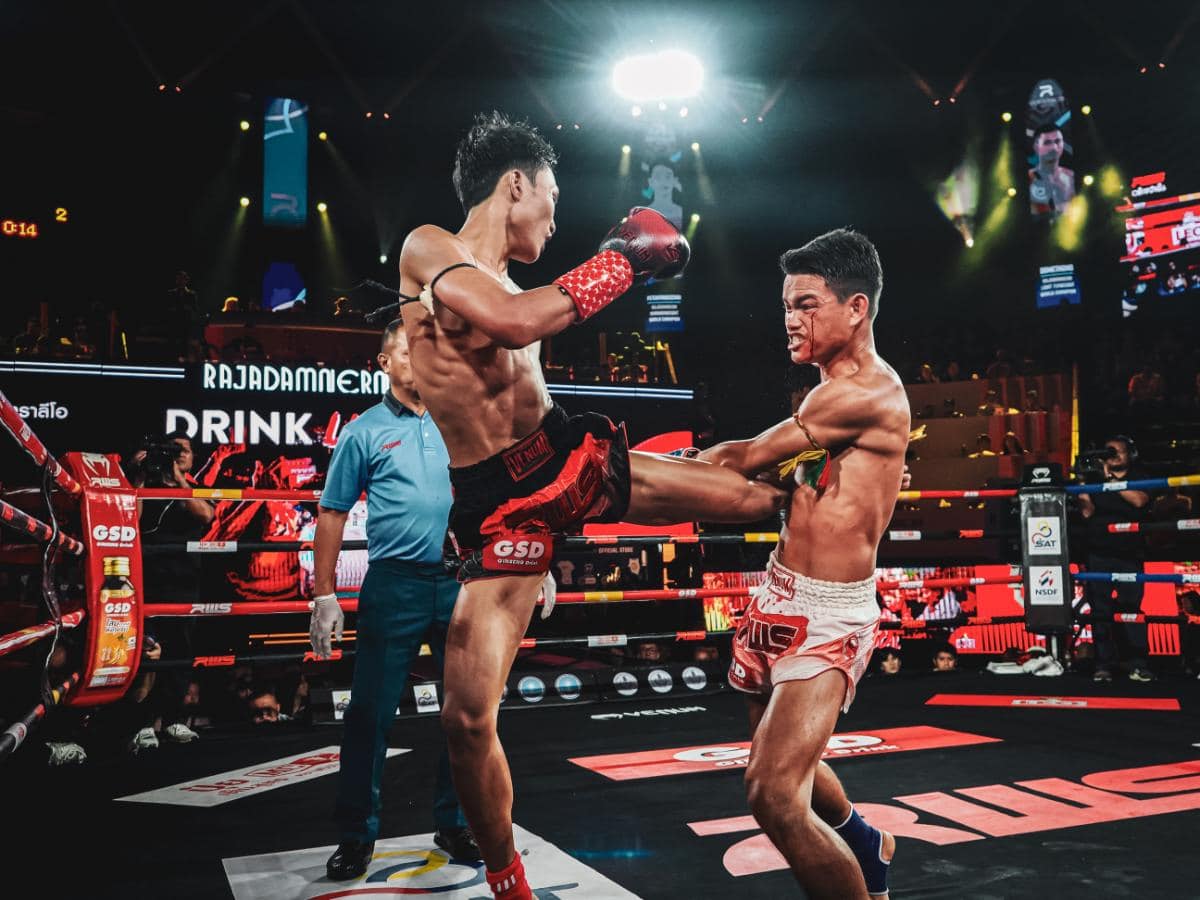
The liver is one of the most reliable knockout spots for body finishes. It sits on the right side of your opponent’s body. A clean shot here causes instant pain and leg weakness.
- Muay Thai tie-in: left kick, left knee, or switch-kick entries
- Defense: shell up and pivot out, never square up after eating a feint
Floating Ribs and Diaphragm
Repeated punishment here leads to TKOs. The body breaks down over time.
- Defense: angle off after checking, don’t back straight up
The Nose Bridge
A nose shot won’t always put the lights out, but it causes bleeding, blinking, and confidence loss. This creates openings for follow-up strikes.
- Defense: use the catch-and-counter jab, move your head, don’t overreach
How to Train for Clean Scoring
Understanding targets is only half the equation. You also need the skills to hit them accurately under pressure. This requires dedicated drilling.
Accuracy Drills
- Double-end bag for timing
- Slip line for head movement
- Focus mitts with clear cues from your coach
Timing Drills
- Jab feint then cross
- Counter uppercut after parry
Footwork
- L-steps to create angles
- Outside angle on the lead side
- Ring cutting to control space
- Muay Thai blend: add teeps to set up head shots; body kicks set up hands
Defense: Protect the Same Targets
- Head posture: chin down, eyes up, crown high
- Hand discipline: fast hand retraction, elbows to rib cage on body defense
- Body armor: brace your core, exhale on impact, smooth guard transitions
- Ring craft: don’t drift into corners; clinch reset when hurt (Muay Thai rules allow this)
Conditioning for Offense and Defense
Your body needs to be prepared for both delivering and receiving strikes. Core training should focus on anti-rotation exercises like carries and cable chops. Hollow holds build the deep stability that protects your midsection.
Neck conditioning is essential for absorbing head shots. Isometric exercises and band work for nods and tilts strengthen the muscles that stabilize your head. Always work with a coach on these exercises to avoid injury.
Build body resilience gradually. Light pad taps condition your midsection over time. Never take reckless shots in training. The goal is adaptation, not damage.
Breathwork might be the most overlooked aspect of fight conditioning. Sharp exhales on impact protect your body and add power to your strikes. Calm, controlled breathing between exchanges keeps you from gassing out. This rhythm of intensity and recovery defines successful fighters.
Watch & Learn From The Best Fights At Rajadamnern Stadium
Rajadamnern Stadium in Bangkok is the world’s first Muay Thai stadium with a stunning immersive experience, and watching live fights there teaches lessons that video simply cannot capture. The rhythm of live combat, the crowd’s reaction to clean scores, and the angles you observe from ringside all develop your understanding of Muay Thai.
Pay attention to how elite fighters create lanes to the chin or liver without telegraphing their intentions. Study their balance recovery after taking shots. Listen to the crowd react when clean strikes land and try to match that rhythm to how the judges score. This education is invaluable for anyone serious about understanding Muay Thai at the highest level.
Train Smart, Then Watch the Pros in Action
Focus on clean, legal targets like the chin, temple, jaw line, and body. Use body work to set up head shots. Control the pace and don’t chase chaos. Always pair offense with responsible defense.
Plan your next training block, then book a fight night at Rajadamnern Stadium to see elite athletes create and close knockout lanes with world-class precision.
Frequently Asked Questions
Q: Are knockout spots on the face the same in boxing and Muay Thai?
A: Mostly yes for the head (chin, temple, jaw line). Muay Thai adds body-shot variety via kicks and knees that change how those openings appear.
Q: What’s safer for long-term health – head or body KOs?
A: Body finishes tend to involve less head trauma, but all competition carries risk. Train smart, use protective gear, and follow medical guidance.
Q: How do I improve accuracy on boxing knockout points?
A: Drill with focus mitt cues, double-end bag timing, and strict hand retraction. Add light, technical sparring with a coach to test angles safely.
Q: What’s the best place to punch for a knock out for smaller fighters?
A: Chin and liver remain high-percentage when set up with feints, body work, and angles. Smaller fighters prevail with timing and placement, not raw force.
Q: How can I defend my chin better in Muay Thai?
A: Keep a disciplined guard, tuck the chin, step off at 45°, and don’t admire your work after kicking. Recover your stance and eyes right away.
Q: Is it worth watching live at Rajadamnern if I already stream fights?
A: Yes. Live rhythm, crowd cues, and real-time angles teach distance and timing in ways video can’t.
References
- How Can a Punch Knock You Out?. (n.d.). PubMed Central. U.S. National Library of Medicine. Retrieved January 5, 2026, from https://pmc.ncbi.nlm.nih.gov/articles/PMC7649325/
- Liver shot. (n.d.). Wikipedia. Retrieved January 5, 2026, from https://en.wikipedia.org/wiki/Liver_shot
- Chin (combat sports). (n.d.). Wikipedia. Retrieved January 5, 2026, from https://en.wikipedia.org/wiki/Chin_(combat_sports)
- Analysis of the liver shot: Throwing and defending. (n.d.). Breaking Muscle. Retrieved January 5, 2026, from https://breakingmuscle.com/analysis-of-the-liver-shot-throwing-and-defending/
- The science underlying the fighter’s chin: What makes a fighter durable?. (n.d.). Bleacher Report. Retrieved January 5, 2026, from https://bleacherreport.com/articles/1668009-the-science-underlying-the-fighters-chin-what-makes-a-fighter-durable
Share this news


Related News

Muay Boran Techniques That Shape Muay Thai
Apr 27, 2026
The art of Muay Thai draws from centuries of battlefield knowledge. Before gloves, weight classes, and timed rounds, Thai warriors developed unarmed combat systems designed for survival.

Why It’s Important to Train With the Right Muay Thai Coach
Apr 23, 2026
Walking into a Muay Thai gym for the first time can feel like stepping into another world. The rhythm of gloves on pads, the sharp crack of kicks, the intensity radiating from every corner.
Mastering the Long Guard: Muay Thai’s Essential Defensive Weapon
Apr 23, 2026
The fighter circles his opponent, left arm extended in waiting. His rival throws a combination – jab, cross, low kick. The extended lead hand deflects the jab, creates enough distance for the cross to miss, and drops just in time to block the kick