English
  简体中文
简体中文  日本語
日本語 The art of Muay Thai draws from centuries of battlefield knowledge. Before gloves, weight classes, and timed rounds, Thai warriors developed unarmed combat systems designed for survival.
Apr 27, 2026
Muay Boran Techniques That Shape Muay Thai
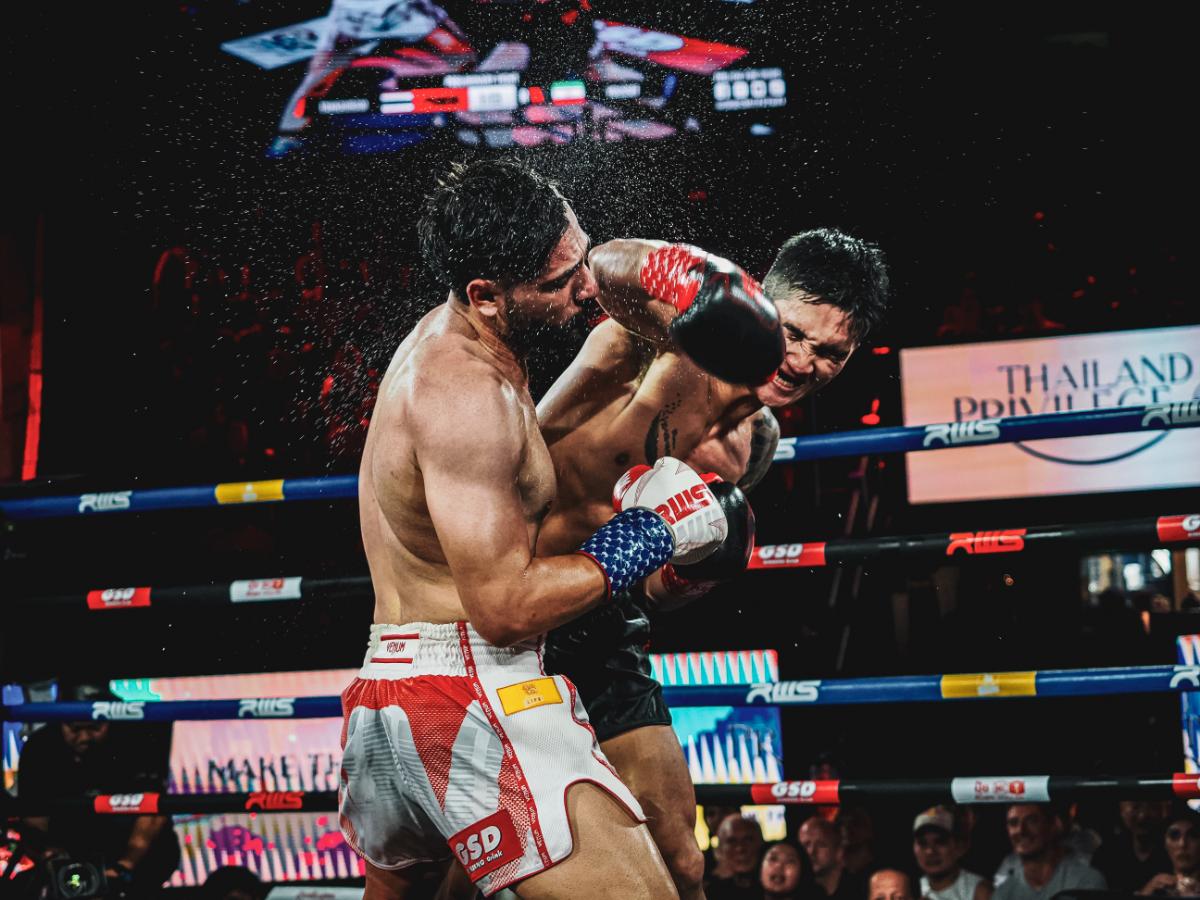
The art of Muay Thai draws from centuries of battlefield knowledge. Before gloves, weight classes, and timed rounds, Thai warriors developed unarmed combat systems designed for survival. These ancient methods, collectively called Muay Boran, still influence how elite fighters strike, clinch, and control opponents today.
Understanding where modern Muay Thai techniques come from deepens your training and sharpens your fight IQ. Here is how the old ways inform the new.
What Is Muay Boran?
Muay Boran translates directly to “ancient boxing” and serves as an umbrella term for Thai unarmed fighting systems that existed before the 1930s. These methods were designed for battlefield self-defense rather than sport, with no gloves, time limits, or prohibited targets.
Regional styles developed distinct characteristics. Muay Chaiya from the south emphasized compact guards, tight defense, and counter-fighting; Muay Korat from the northeast focused on raw power and wide-angle strikes; Muay Lopburi prioritized timing, feints, and deceptive footwork; Muay Thasao built speed and fluid kick-knee chains.
An old Thai saying captures the differences: “Hard punch of Korat, wit of Lopburi, posture of Chaiya, speed of Thasao.”
Modern Muay Thai codified safety rules, scoring criteria, and standardized equipment. The sport version removed deadly techniques while preserving the striking arsenal that makes Thai boxing so effective. In other words, the essence of Muay Boran still lives in every fighter.
What Carries Over: Mapping Muay Boran Techniques to Muay Thai
Many Muay Boran techniques translate directly into competition-legal Muay Thai techniques.
Elbow strikes (Sok) include horizontal, diagonal, and spear elbows. These close-range weapons evolved from Boran finishing strikes into high-percentage scoring tools that cut and damage in the clinch and on entries.
Knee strikes (Khao) feature straight knees to the body, diagonal knees, and jumping knees. Fighters use these at the ropes and in clinch exchanges, where balance management determines who controls position.
Kicks (Te) trace their mechanics to Boran footwork. The chamber, hip turn, and shin contact of the modern round kick share DNA with ancient striking methods. The teep, or front kick, descends from posture-breaking techniques designed to control distance.
Clinching and off-balancing remain central to both systems. Turns, dumps, and sweeps derived from Boran control are legal when executed cleanly without illegal spiking, and a well-timed hip turn can swing a round. Hand tactics adapted too, with short-range hooks, uppercuts, and guard manipulation fitting within glove rules while maintaining the close-quarters pressure Boran fighters developed.
Muay Boran Moves You Can Safely Integrate
Here are a few Muay Boran techniques and styles you can apply to modern Muay Thai:
- Sok Tad (horizontal elbow) uses a tight arc that cuts on entry. Train it with pad progressions while maintaining your defensive shell.
- Khao Trong (straight knee) drives to the solar plexus. Work clinch frames and step-knee timing to land it cleanly.
- Teeps control range and break posture. Wall drills and balance tests build the stability needed to use it effectively.
- Lopburi-style feints set up scoring kicks. Visual deception draws a reaction, opening the path for your round kick. Practice with pad cues and partner checks.
- Chaiya-style counters use catch-and-return sequences. Keep grips legal, release before dumps, and stay within rule-safe parameters.
- Legal dumps from clinch turns reward proper hip positioning and shoulder wheel mechanics. Execute referee-friendly finishes that score without warnings.
A critical note: avoid Boran techniques targeting eyes, throat, groin, spine, or small joints. And certainly no head or neck spikes. Always confirm your sanctioning body’s specific rules, and train with context.
Channeling Heritage in the Ring
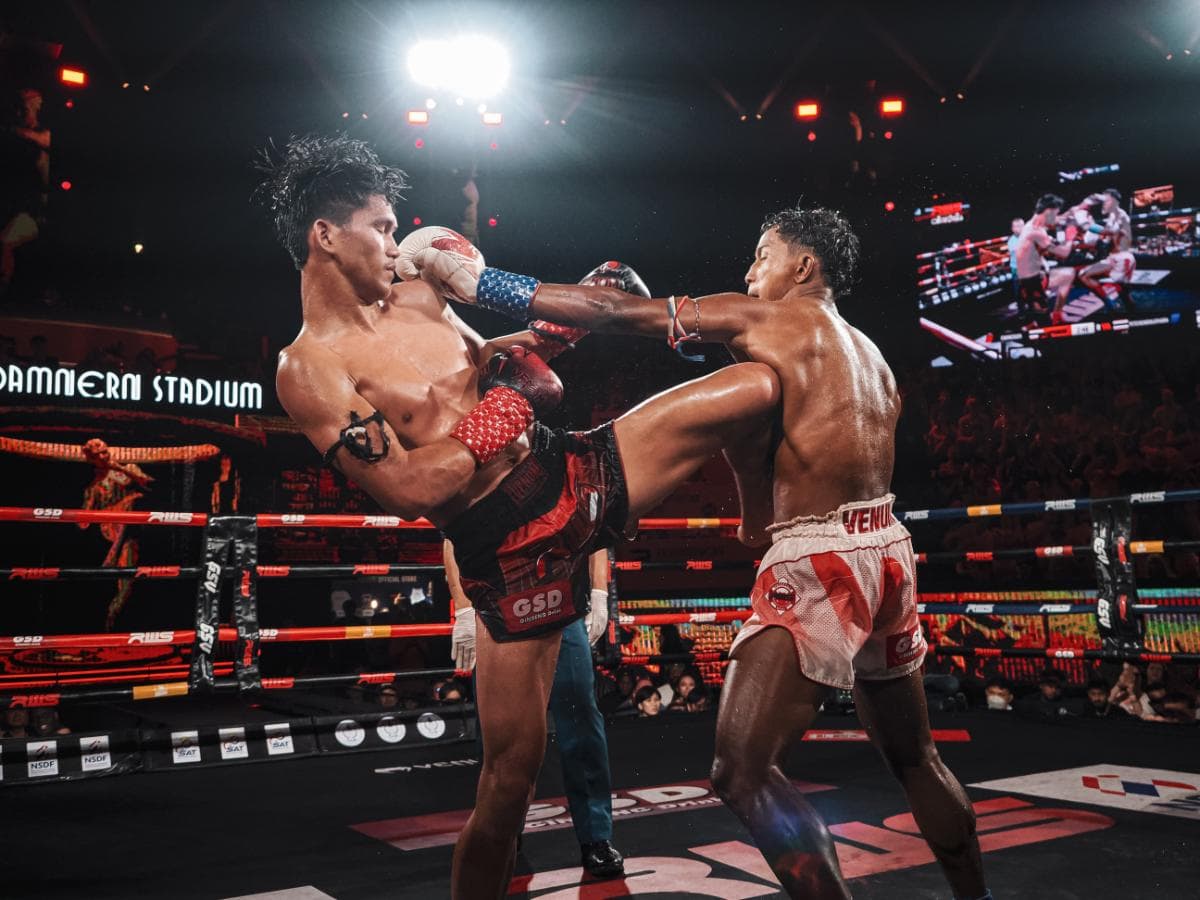
Start with footwork and posture. Boran stance elasticity translates into modern bounce and checking ability, so drill transitions until they feel natural under pressure. From there, use pad blocks to chain elbows and knees with defensive exits—covering, clinch entries, and circling footwork should follow every combination.
Clinch micro-drills build the control that wins fights. Practice pummeling, frame positioning, and collar-tie entries that lead to legal knees. Timing ladders sharpen your reactions through feint-to-kick sequences, catch-and-counter patterns, and elbows off missed crosses.
Of course, sparring accelerates progress. Technical sparring emphasizes clean technique, clinch rounds isolate grappling exchanges, and constrained rules like elbow-only inside work develop specific skills. Monitor your progress by tracking balance under pressure, clean scoring shots, and referee friendliness. No warnings means your Boran-derived techniques fit within modern rules.
Watch Muay Thai Techniques Live at Rajadamnern Stadium
Rajadamnern Stadium offers the best viewing experience for studying how Muay Boran moves become ring-ready skills. Match nights feature classic five-round bouts and faster three-round sprints. Listen for the crowd’s “oowee” cues on clean scores, as they mark techniques that judges reward.
Watch for the fighters’ elbows and notice when a short diagonal elbow beats volume punching at close range. Observe the teep as a lineage tool, shutting down pressure fighters with posture breaks that create distance. When witnessed live, the roots of each Muay Thai Technique are visible, and the subtleties between the different styles become apparent.
Study the transfer from ancient technique to modern sport in real time at Rajadamnern Stadium and enjoy Bangkok live entertainment like no other.
Frequently Asked Questions
What is Muay Boran in relation to Muay Thai?
Muay Boran is the collective term for ancient Thai unarmed combat systems that predate modern Muay Thai and form its technical foundation.
How is Muay Boran different from modern Muay Thai?
Muay Boran was designed for battlefield survival with no gloves or rules, while Muay Thai is a regulated sport that removed deadly techniques for safety.
Which Muay Boran techniques are still used in Muay Thai today?
Elbows, knees, round kicks, teeps, clinching, sweeps, and off-balancing techniques all trace directly back to Muay Boran.
Can fighters safely train Muay Boran techniques for competition?
Yes, as long as techniques are adapted to modern rules, avoiding prohibited targets and dangerous actions like spikes or small-joint attacks.
What regional Muay Boran styles influenced modern Muay Thai?
Muay Chaiya, Muay Korat, Muay Lopburi, and Muay Thasao each contributed distinct elements such as defense, power, timing, and speed.
How does Muay Boran improve fight IQ?
It enhances understanding of balance, posture, timing, and control, helping fighters make better decisions in clinch exchanges and scoring situations.
Why is watching live Muay Thai useful for studying technique?
Live bouts reveal how traditional movements translate into scoring actions, especially in elbows, teeps, and clinch control under real fight pressure.
References
- Muay boran. (2025, October 23). Wikipedia. Retrieved January 7, 2026, from https://en.wikipedia.org/wiki/Muay_boran
- Muay Boran Styles | A Comprehensive Guide. (2024, September 13). Gaawut Productions. Retrieved January 7, 2026, from https://www.gaawutproductions.com/post/muay-boran-styles
Share this news



Related News
Why It’s Important to Train With the Right Muay Thai Coach
Apr 23, 2026
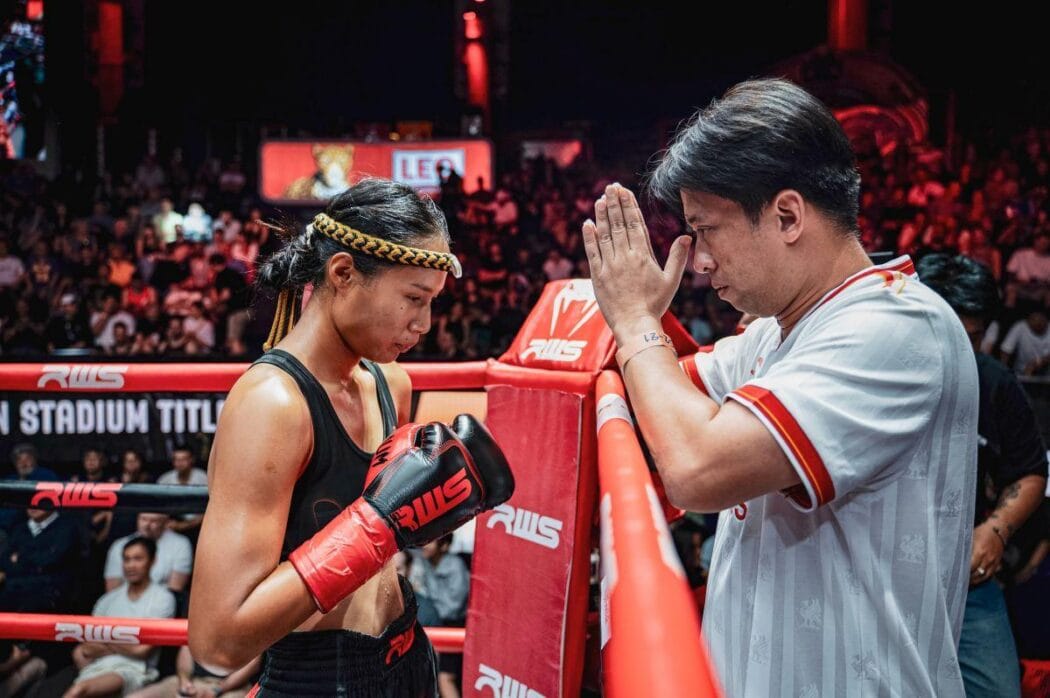
Walking into a Muay Thai gym for the first time can feel like stepping into another world. The rhythm of gloves on pads, the sharp crack of kicks, the intensity radiating from every corner.
Mastering the Long Guard: Muay Thai’s Essential Defensive Weapon
Apr 23, 2026
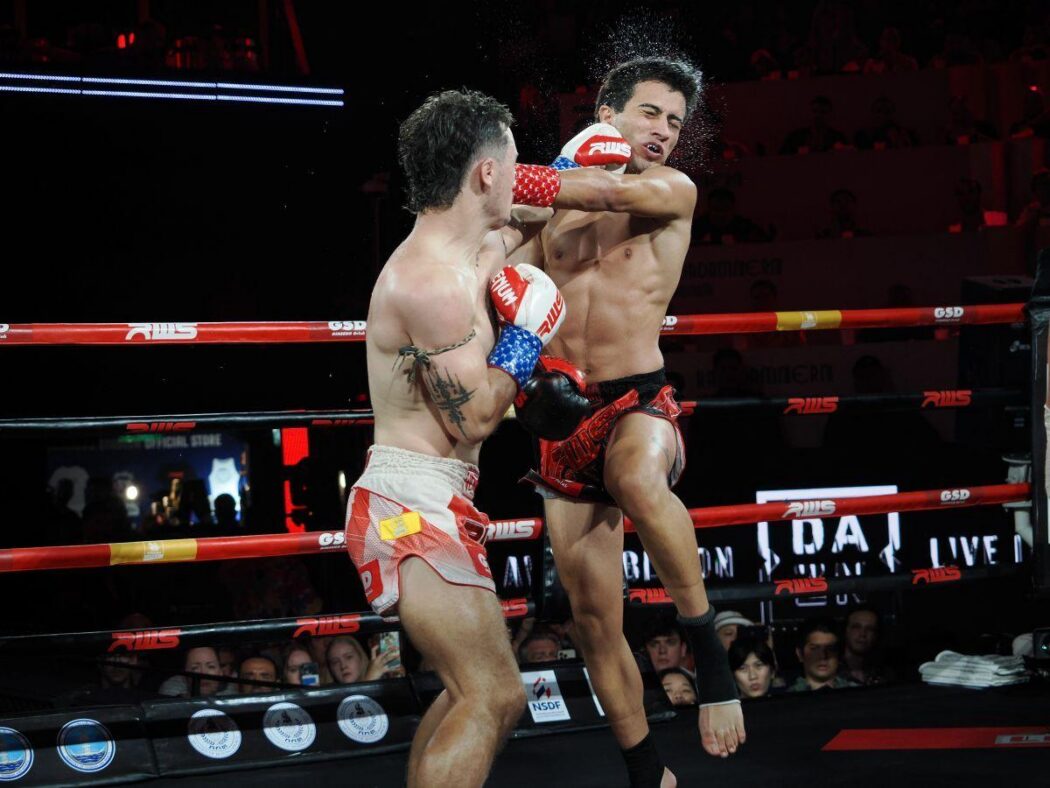
The fighter circles his opponent, left arm extended in waiting. His rival throws a combination – jab, cross, low kick. The extended lead hand deflects the jab, creates enough distance for the cross to miss, and drops just in time to block the kick