
 English
How to use Thai boxing oil the way fighters do: warm-up rub, post-training massage, where not to apply it, and why its scent means fight time.
Nov 24, 2026
Muay Thai Oil: Why Fighters Use It and How to Apply It

Key Takeaways
- Muay Thai oil is a topical liniment built on methyl salicylate and menthol, with a warming and cooling action that fighters use before and after training.
- A randomized trial of a 10 percent methyl salicylate and 3 percent menthol patch found about 40 percent greater pain relief than placebo for muscle strain.
- Before training, a vigorous rub on calves, thighs, shoulders and lower back primes the muscles; after training, a gentle massage eases soreness.
- Wash hands after use, keep it away from eyes, broken skin and heat, and never use it under a heating pad, since the FDA has warned of rare serious burns.
- The scent is part of Muay Thai culture, and the place to breathe it is ringside at Rajadamnern Stadium.
Muay Thai oil is one of the most recognized training essentials in combat sports, instantly identifiable by its powerful blend of menthol and wintergreen. Known worldwide as Thai boxing oil, and most famously through the Namman Muay brand, this traditional liniment has long been used by fighters to warm muscles, prepare for intense training, and support post-workout recovery. From beginners stepping into the gym for the first time to professional athletes preparing for competition, understanding how Muay Thai oil works and when to apply boxing oil can help maximize comfort, performance, and recovery both inside and outside the ring.
What Is Muay Thai Oil And Why Do Fighters Use It?
At its core, Muay Thai liniment is a topical liquid muscle rub formulated for a high-impact combat sport. The traditional recipe combines methyl salicylate, the wintergreen compound, with menthol and other oils. Methyl salicylate is a rubefacient: applied to the skin, it causes redness and warmth as blood flow to the surface increases. Menthol activates the skin’s cold receptors, causing the same rub to feel both hot and cool simultaneously. For generations, Thai camps have applied liniments like this, with cornermen rubbing them into a fighter’s legs before the walkout and between rounds on fight night.
Fighters rely on it for three reasons.
Rapid warm-up. In a sport of explosive kicks and fast direction changes, cold muscles are the ones that strain. The rub warms the skin and the tissue beneath it and makes the physical warm-up that follows feel easier. It is a complement to the warm-up, not a replacement for it, and no rub can loosen a joint the way five minutes of movement does.
Pain relief and dulling. Topical methyl salicylate and menthol are established over-the-counter analgesics. A placebo-controlled, randomized trial of a patch with 10 percent methyl salicylate and 3 percent menthol showed about 40 percent more pain relief in adults suffering from mild to moderate muscle strain. For a fighter, that numbing reduces the sharpness of shin-on-shin contact during sparring and the impact of repeated bag kicks.
The psychological switch. Beyond the body, the sharp scent of Thai boxing liniment is a trigger. Smelling wintergreen tells a fighter it is time to focus, lock in and work. Walk past the changing rooms at a stadium on fight night and the smell is the first sign that the fighters have begun. Many practitioners say the association is so strong that a single breath of it at home is enough to bring back the gym.
How Do You Use Thai Boxing Liniment Before And After Training?
Getting the most out of Thai boxing oil means applying it correctly, and the technique changes with the goal.
Before training. The aim is to prime the body for action. Pour a small amount into your palms and rub it vigorously into the major muscle groups: calves, thighs, shoulders and lower back. The friction of a rapid, deep rub combined with the liniment’s ingredients makes the skin flush and the muscles radiate heat. Next, start shadow boxing or skipping immediately to maintain the warmth instead of losing it. About ten to fifteen minutes before the session should be fine; First-time users should test a coin-sized amount on the calf the day before to check for skin sensitivity.
After training. Following a hard session of sparring or pad work, the body carries bumps, bruises and tightness. Post-training application shifts from vigorous rubbing to a slow, soothing massage. Work the liniment gently over bruised shins, stiff shoulders and tired calves, spending longer on the areas that took the most impact. Use less pressure than before training, because the goal now is comfort, not heat. The cooling effect relieves soreness, and research on topical menthol shows it to be more effective than ice in lessening pain from delayed onset muscle soreness, with some proof that it aids recovery of lower-body power after muscle-damaging exercise. Combine it with the rest of the recovery routine—water, food, and sleep—instead of relying on the bottle as the complete solution.

Safety Rules Every User Should Follow
Muay Thai oil is strong, and the same ingredients that make it work can cause harm when misused. A few habits keep it safe.
- Wash your hands thoroughly after every application and keep the liniment away from your eyes, face and any sensitive area. MedlinePlus lists eye burning, redness and pain among the effects of contact.
- Never apply it to broken or irritated skin, and never cover a treated area with a heating pad or tight wrap. The US Food and Drug Administration issued a safety communication in 2012 after rare cases of serious burns from over-the-counter rubs containing menthol and methyl salicylate, most often at higher concentrations and with heat.
- Use a small amount. Methyl salicylate is absorbed through the skin, and large quantities over large areas can lead to salicylate toxicity.
- Stop if the skin blisters, swells or stays red, and ask a doctor before using it if you are sensitive to aspirin or other salicylates.
- Keep the bottle capped and out of reach of children. Methyl salicylate is the most poisonous of the salicylate compounds when swallowed.
The Scent That Means Fight Time At Rajadamnern Stadium
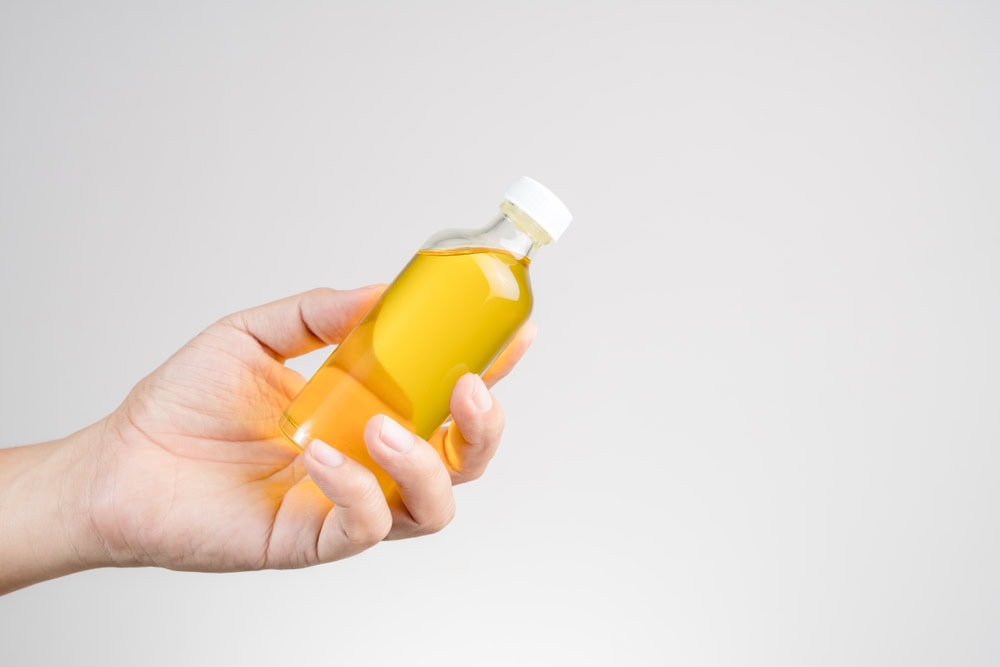
This glass bottle holds more than a muscle rub. It carries a piece of the sport’s heritage, as recognizable to a Thai fighter as the Wai Kru or the mongkhol. To understand its place, you have to stand where it belongs. The full picture of Muay Thai culture comes together at Rajadamnern Stadium, the world’s first Muay Thai stadium, where the smell of liniment drifts from the corners, traditional music plays live and the dome experience traces the art across a thousand years.
Book a ticket to see Muay Thai live in Bangkok, breathe in the scent of a fighter ringside, and watch elite competitors put these traditions into action under the stadium lights.
Frequently Asked Questions About Thai Boxing Liniment
Q: What is Muay Thai oil and why do fighters use it?
A: Muay Thai oil, or Thai boxing liniment, is a topical rub built on methyl salicylate and menthol. Fighters use it to warm the muscles before training, to dull the sting of impact, and to ease soreness afterwards. Its scent is also a mental cue that it is time to work.
Q: How do you use Thai boxing liniment before and after training?
A: Before training, rub a small amount vigorously into the calves, thighs, shoulders and lower back, then warm up. After training, massage it slowly and gently over sore shins, calves and shoulders. Wash your hands afterwards and keep it away from the eyes.
Q: Does Thai boxing oil actually work?
A: The active ingredients are established over-the-counter analgesics. A randomized trial of a 10 percent methyl salicylate and 3 percent menthol patch found about 40 percent greater pain relief than placebo for muscle strain, and topical menthol has been shown to reduce pain from delayed onset muscle soreness.
Q: Is Muay Thai liniment safe?
A: Used in small amounts on intact skin, yes. Avoid the eyes, face and broken skin, never combine it with a heating pad or tight wrap, and stop if the skin blisters. The FDA has warned of rare serious burns from menthol and methyl salicylate rubs, and large amounts can cause salicylate toxicity.
Q: Can beginners use Muay Thai oil?
A: Yes. Start with a small amount on the calves and thighs before a session and see how your skin reacts. People sensitive to aspirin or other salicylates should ask a doctor first.
Q: Where can I experience Muay Thai culture live in Bangkok?
A: Rajadamnern Stadium, the world’s first Muay Thai stadium, hosts professional fights throughout the week with live traditional music, the Wai Kru ritual and an immersive dome experience. Tickets and the schedule are on the official website.
References
- Efficacy and safety profile of a topical methyl salicylate and menthol patch in adult patients with mild to moderate muscle strain: a randomized, double-blind, placebo-controlled trial. Retrieved on 4 November 2026 from https://pubmed.ncbi.nlm.nih.gov/20171409/
- FDA Drug Safety Communication: rare cases of serious burns with the use of over-the-counter topical muscle and joint pain relievers. Retrieved on 4 November 2026 from https://www.fda.gov/drugs/drug-safety-and-availability/fda-drug-safety-communication-rare-cases-serious-burns-use-over-counter-topical-muscle-and-joint
Share this news


Related News

The Thai Traditional Sports That Have Defined a Nation
Apr 27, 2026
From Muay Thai to Takraw, Thailand’s traditional sports carry centuries of history. Explore games that shaped Thai culture and where to see them live.
