English
  简体中文
简体中文  日本語
日本語 Learn what a low kick is, core low kick techniques, and how they shape fights—then watch them live in action at Rajadamnern Stadium.
Apr 27, 2026
Low Kick in Muay Thai Boxing: Techniques, Types, and Fight Applications
Key Takeaways
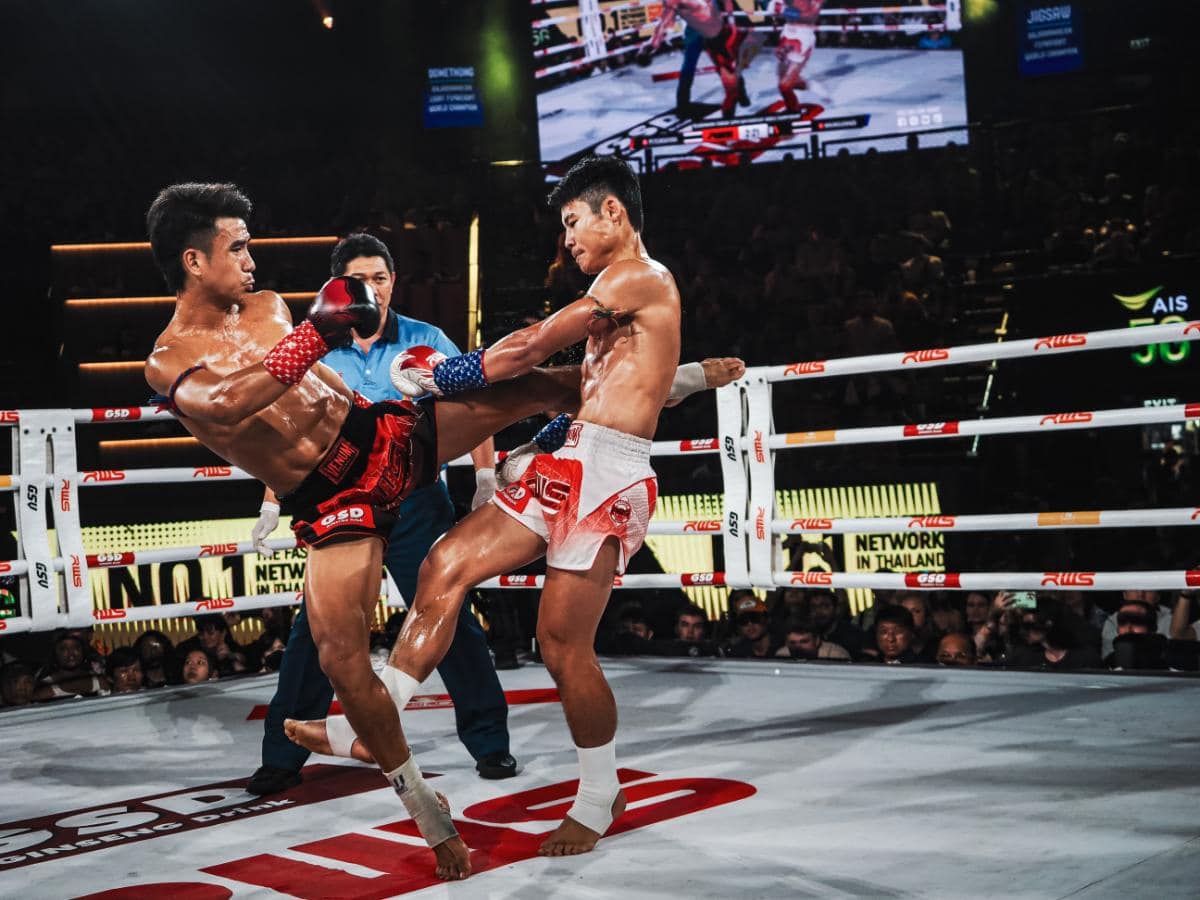
- Low kicks control a fight by draining the legs, breaking posture, and slowing footwork, offering high-value scoring tools in Muay Thai.
- While a low kick is illegal under Western boxing rules, in Muay Thai, it’s a core weapon alongside elbows, knees, teeps, and clinch.
- Main targets for low kicks are the outside/inside thigh, calf, and the posted leg during pivots; the main tools used are the shin (power), instep (speed), and the ball of the foot.
- Best mechanics: small outside step, pivot on the support foot, rotate hips/shoulders together, drive the mid-shin through on a slight upward cut.
- Core low kick techniques: outside, inside, calf, switch, step-across, and low-line sweep/dump (legal variants).
- Hand-to-leg setups win: touch high with jabs/crosses/hooks, plant their weight, then chop the leg (“boxing first, low kick second”).
- Round-by-round plan: probe inside early, invest outside mid-fight, mix thigh/calf late to force square stances and rushed trades.
- Defenses & counters: shin checks, hop-backs, catch-and-counter (where legal), hand counters, and angle exits.
- Training plan: structured bag rounds, pad flows that link punches to kicks, and partner “touch” rounds for timing and placement.
- Care & conditioning: gradual shin work on soft bags, calf/hip strength and mobility, plus icing and gentle rolling post-session.
- See how elite fighters use low kick techniques when you watch a fight live at Rajadamnern Stadium.
Low kicks are one of Muay Thai’s most reliable tools for controlling a fight. A well-timed chop to the thigh or calf drains an opponent’s gas tank, disrupts footwork, and forces their guard to climb, creating openings for body and head attacks. Because a low kick leaves a visible effect, such as posture breaks, stumbles, and slower entries, it scores well under Muay Thai judging.
It’s important to note that a low kick in boxing is illegal under Western boxing rules, which is one of the main differences between boxing and Muay Thai. Meanwhile, low kicks are a core tool paired with elbows, knees, teeps, and clinch.
What is a Low Kick?
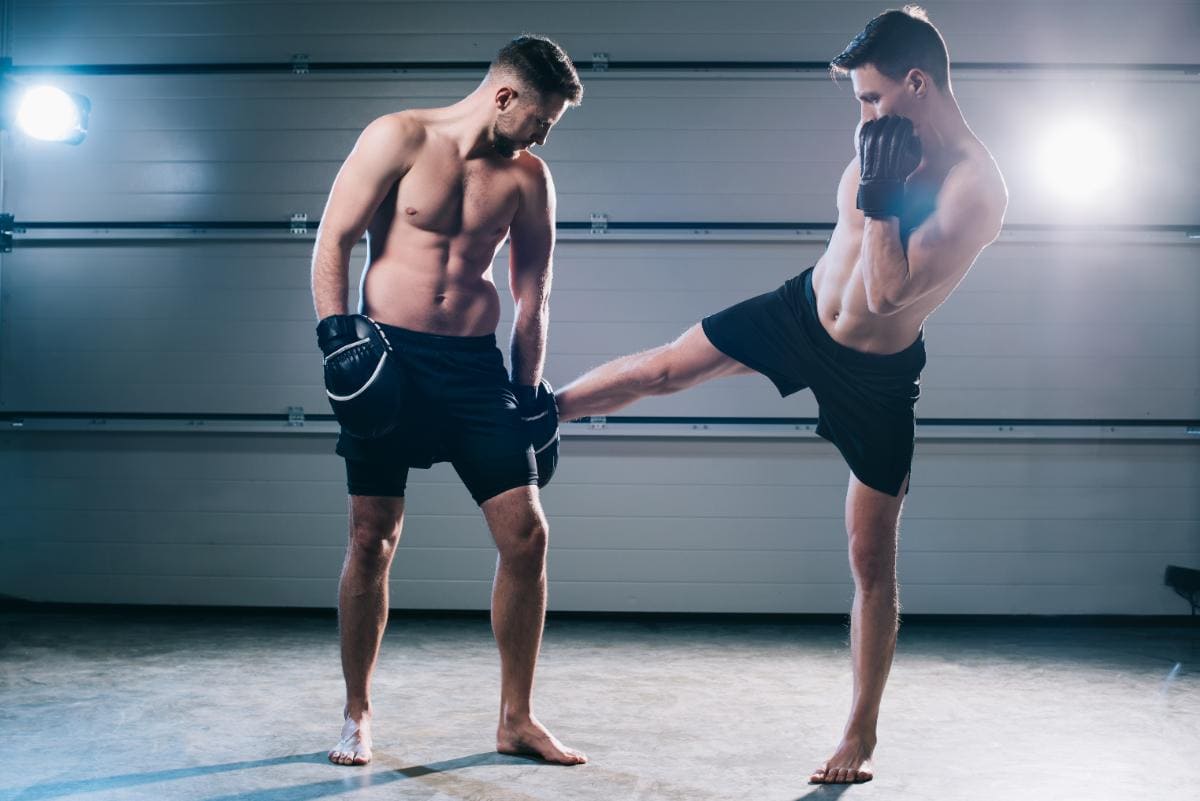
A low kick, also called a leg kick, is a shin- or instep-driven strike to the thigh or calf below the hip line. Done well, it chips away at balance, mobility, and confidence. You’ll hear it before you fully see it; the sound of shin on muscle is unmistakable.
In a Muay Thai low kick, the main leg parts used are the shin, the instep, and the ball of the foot. The primary targets of low kicks are the outside thigh (quads) to deaden the post leg and slow forward pressure; inside thigh (adductors) to disrupt the stance and step-ins; the calf (gastrocnemius/soleus) to steal base with small motions; and the post leg during pivots, in order to catch the supporting foot as they turn.
Advantages of Low Kicks
Low kicks matter because they let you control movement, pile up visible scoring, and drain an opponent’s engine without spending much of your own. Low kicks pair naturally with boxing setups: hands first, kick second, so jabs, crosses, and hooks become reliable traps for the planted leg.
Elite fighters use the inside kick to disrupt rhythm, the outside kick to do damage, and the occasional calf kick (sparingly in Muay Thai rules) to steal the base with minimal motion. Opponents reconsider their moves because of early welts, in addition to the physical damage. You can evade counters by angling away after a sharp recoil. The outcome is built-up damage in the quads or calves, impacting speed and balance.
Mechanics: How to Throw a Powerful Low Kick
- Footwork & rotation: Take a small step out and across with the lead foot, pivot on the ball of the support foot, and rotate hips/shoulders together.
- Strike path: Drive the middle of the shin through the leg on a slight upward cut.
- Body organization: Keep the kicking leg softly bent, swing the rear arm back for balance, move your head off-center, and finish by recoiling or stepping through to a safe angle.
Low Kick Techniques
- Outside low kick (rear or lead): Chops the outside of the lead thigh; best once the opponent plants to punch or after your jab lands.
- Inside low kick: Quick disruptor to the inner thigh; pairs well with lead-hand feints and hooks.
- Calf kick (inside/outside): Compact swing that steals base.
- Switch low kick: Brief stance switch disguises intent; adds speed and angle change.
- Step-across outside low kick: Angle off a cross or hook to catch the leg line as they retreat.
- Low-line sweep/dump (legal variants): Time the weight transfers to off-balance without illegal scything.
Setups from the Hands: Boxing First, Low Kick Second
- Use the hands to draw the guard high and plant their weight, then take the leg:
- Jab then rear low kick: Touch high, chop low the moment their foot sticks.
- Cross, pivot, then outside low kick: Cross freezes the eyes; pivot finds the leg line.
- Lead hook, step-off, then inside low kick: Hook turns their hips; the inside kick bites the support.
- Body jab, then outside low kick: Drop the eyes, steal the post leg.
- Check-and-return: Check their round kick; fire back low before they reset.
- Dutch flow: End heavy hand combos with a leg kick to leave the exchange on your terms.
Applying Low Kicks in Muay Thai
- Early rounds: Probe with light inside kicks to slow footwork and read their checking habits.
- Mid-fight: Invest in outside kicks to sap stance and clinch strength.
- Late: Mix thigh and occasional calf attacks to force square stances and hurried trades.
Defense & Counters to the Low Kick
- Shin check (~45°): Meet bone with bone, then counter hands or kick back.
- Hop-back/weight pull: Make it fall short, then return kick or teep.
- Catch-and-counter (where legal): Absorb on hip, step, dump, or kick back.
- Hand counters: Cross over the kick or lead hook when they over-rotate.
- Footwork exit: Step off the line so the shin hits air.
Drills & Conditioning to Mastering the Low Kick Technique
- Bag rounds (3 rounds of 3 minutes): In round one, land clean outside low kicks with full hip rotation. In round two, switch to inside low kicks quickly and accurately. In round three, add angles by stepping slightly left or right before you kick. Keep your hands up and always reset your stance after each kick.
- Pad flow: With pads, try “jab, outside low kick.” Next round, go “cross, pivot, outside low kick.” Then practice “lead hook, step off, inside low kick.” Ask your coach to call the defense or counter you should expect after each combo.
- Partner “touch” on thigh pads: With a partner, use thigh pads and work at 30–50% power for placement and rhythm. You learn exactly where your shin should land, how far you need to step, and how to recoil the leg quickly so you’re not stuck in front of a counter. Trade roles every minute so both of you practice offense and defense.
Preparation & Training Care
- Shin-on-soft-bag conditioning: Condition your shins gradually on a softer heavy bag by aiming the middle of your shin at the same small area again and again so your body adapts.
- Add simple strength and mobility: calf raises for lower-leg endurance, hip mobility drills so your kick turns freely, and single-leg balance work to improve stability when you plant or land.
- Post-training: After heavy sessions, take five minutes to look after your legs. Ice any sore spots for short intervals, then do gentle rolling with a foam roller on the quads and calves to keep tissue from tightening up.
See Low Kicks in Action at Rajadamnern Stadium
There’s no substitute for seeing elite timing up close. At Rajadamnern Stadium, you can watch world-class fighters set traps with their hands, force a plant, and cut the leg at exactly the right moment. The circular seating gives you a full view from all angles and tiers, while the live orchestra sets the tempo.
Plan a fight night at Rajadamnern Stadium to watch true low kick techniques in real time. Study the setups, hear the impact, and bring sharper timing to your next Thai boxing session.
Frequently Asked Questions
Is a low kick legal in boxing?
No. Kicks are fouls in Western boxing.
Which low kick technique should beginners learn first?
The outside low kick off the jab, which teaches distance, hip rotation, and timing.
How do I know if a low kick scored?
Look for posture breaks, stumbles, or forced stance changes; judges and crowds react to visible effects.
Do calf kicks work in Muay Thai?
They can, but many cards favor thigh damage and balance breaks. Use calf shots as a surprise tool.
How often should I train low kicks?
Work them 2–3 times weekly inside pad, bag, and spar flows, and always with clear setups and safe exits.
References
- All About Muay Thai Low Kicks. Retrieved on 19 January 2026 from https://th.yokkao.com/blogs/muay-thai-news/muay-thai-low-kicks
- A Guide To Muay Thai Low Kicks. Retrieved on 19 January 2026 from https://evolve-vacation.com/blog/a-guide-to-muay-thai-low-kicks/
- How Muay Thai’s Elite Fighters Throw Low Kicks. Retrieved on 19 January 2026 from https://www.muay-thai-guy.com/blog/elite-low-kicks
Share this news



Related News
A Training Guide To The Best Knockout Spots in Muay Thai
Apr 27, 2026
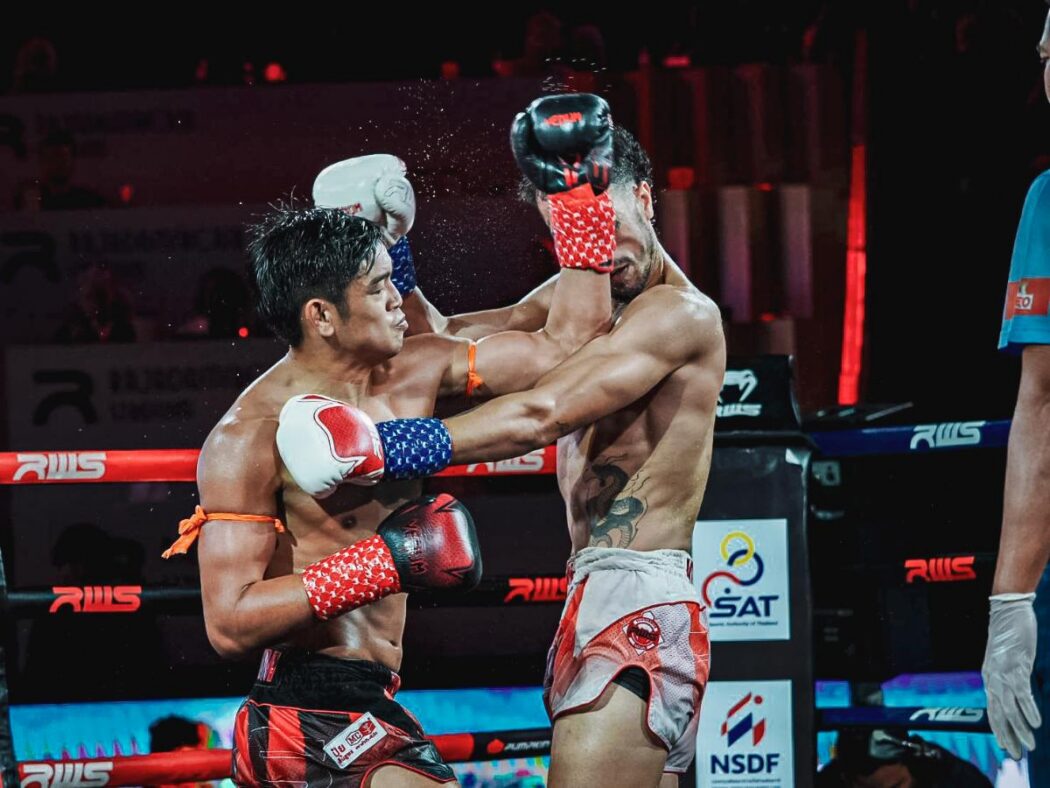
Rajadamnern Stadium’s “Knockout” events boast an 80% knockout rate, making it one of the highest finish rates in combat sports. This impressive stat shows that elite Muay Thai fighters know exactly where to land their strikes.